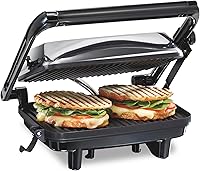
How to Control Grill Temperature
Control grill temperature by preheating to the target setting, watching how the food reacts, and making small heat changes during cooking. Use a timer and food thermometer when cooking time or doneness matters.
On this page (11 sections)
- How do you control grill temperature during cooking?
- Why does preheating matter?
- How can you lower grill heat without stopping the cook?
- How can you raise grill heat during cooking?
- What does medium-high heat mean on a grill?
- Which indoor grill controls are easiest to manage?
- Which grill gives you the most temperature control?
- Should you use a temperature probe?
- How do you avoid hot spots and uneven cooking?
- What is the safest way to check doneness?
- What is the best way to control grill temperature?
How to control grill temperature starts with setting the heat before cooking, preheating fully, and making small adjustments instead of turning the control sharply from low to high. Watch browning and cooking speed, but use a food thermometer for meat and other foods where internal temperature matters.
Indoor grills vary in how they heat. Some use a simple preset, while others offer an adjustable dial and a preheat indicator.
This guide explains how to manage both types and how to choose tools that make temperature changes easier to track.
How do you control grill temperature during cooking?
Set the grill to the temperature your recipe calls for, preheat it, then adjust the control when food browns too fast or cooks too slowly. Give the grill time to respond after each change, since the plate may stay hot after the heating element cycles off.
Use a lower setting for foods that need more time to cook through without darkening too quickly. Use higher heat for short cooking times and searing, but keep an eye on the surface because high heat can brown the outside before the center is ready.
The best indoor grills with temperature control are useful when you want a clear way to change heat rather than relying on one fixed setting. Check the grill's manual for its control positions and preheat instructions.
Why does preheating matter?
Preheating gives the cooking surface time to reach a more stable temperature before food touches it. Starting on a cold plate can extend the cooking time and make browning less predictable.
Close the lid during preheating if the instructions call for it. When a grill has a preheat light, wait for the indicator to show that the selected temperature has been reached.
Avoid placing food on the grill while it is still heating unless the recipe specifically starts from a cold surface. A cold start can also release more moisture before browning begins.
How do temperature controls differ from thermometers?
A temperature control tells the grill how much heat to apply. A thermometer measures temperature at a location, such as the cooking plate, air space, or center of the food.
That distinction matters because the control setting is not the same as the food's internal temperature. Our guide to how a built-in grill thermometer differs from the temperature control explains why those readings answer different questions.
How can you lower grill heat without stopping the cook?
Lower the control one step, close the lid, and wait for the surface to settle. Turning the heat down does not remove heat from the plate immediately, so food may continue browning for a short time.
If the food is already dark on the outside, move it to a cooler part of the plate if the grill has different heat zones. On a small contact grill, briefly lifting the lid may slow browning, but it also releases heat and can lengthen the cook.
Use smaller portions when the grill is crowded. Too much food can release moisture and reduce surface browning, while a thinner layer may cook more evenly.
How can you raise grill heat during cooking?
Raise the setting gradually after checking whether the food is actually undercooked or only slow to brown. A crowded surface, wet ingredients, or frequent lid opening can make a properly heated grill seem weak.
Pat wet ingredients dry when appropriate and leave space between pieces. Close the lid between checks so the cooking surface does not lose more heat than necessary.
For a simple timing aid, the eTradewinds Elegant Digital Kitchen Timer Stainless Steel has a large display, loud alarm, auto memory, a magnetic back, and a fold-out kickstand. Its count-up and countdown functions can help you track each heat adjustment without relying on memory.
The eTradewinds timer uses an AAA battery and measures 0.68 in D x 2.5 in W x 2.75 in H. Its auto memory can repeat a saved time, which suits recipes that use the same cooking interval more than once.
What does medium-high heat mean on a grill?
Medium-high heat is a middle-to-upper cooking range, but the exact temperature depends on the grill and its control markings. Use the grill's temperature guide when available, then compare the result with the recipe's browning and cooking instructions.
The phrase is less precise on indoor grills with numbered settings. A setting of 4 on one model may not match a setting of 4 on another because plate size, heating elements, lid design, and food load affect the result.
See what temperature is medium high heat on a grill for a closer explanation of the term. Start slightly lower when cooking thick food, then increase heat if the surface needs more browning after the center has begun cooking.
Which indoor grill controls are easiest to manage?
An adjustable temperature control with a preheat light gives you the clearest feedback while cooking. A fixed-temperature contact grill can still work well, but you have fewer ways to slow or speed the cooking process.
The George Foreman 4-Serving Indoor Grill with Removable Plates has a 60 sq. in. cooking surface, 1,800 watts, and removable dishwasher-safe plates. Its 35% faster heating claim may suit cooks who want a quick start, while the fixed product information does not include an adjustable temperature range.
The George Foreman grill measures 12 in D x 12 in W x 6.5 in H and is designed for 4 servings. Its nonstick coating and sloped grilling surface can reduce the need for added oil and direct drips toward the drip tray.
Choose it when simple operation and cleanup matter more than selecting an exact temperature. Choose an adjustable model when you cook foods that need noticeably different heat levels.
Which grill gives you the most temperature control?
The Hamilton Beach Electric Indoor Searing Grill offers the clearest temperature range here, from 200°F to 450°F. Its red power light and green preheat light show whether the grill is on and whether it has reached the selected setting.
The Hamilton Beach model has a 118 sq. in. surface that serves 6, a removable PFAS-free nonstick grill plate, a removable dishwasher-safe lid, and an extra-large drip tray. It measures 12.4 in D x 16.73 in W x 6.81 in H and uses 1,500 watts at 120 volts.
Its viewing window lets you check food without lifting the lid. That can help reduce heat loss during cooking, although you still need to check the food's internal temperature when doneness matters.
The Hamilton Beach grill suits readers who want a broad adjustable range. Its larger footprint may be a trade-off if your counter space is limited.
Should you use a temperature probe?
Use a temperature probe when the food's center matters more than the grill's selected setting. The grill control manages the cooking surface, while a probe helps you decide when the food is ready to remove.
A probe is especially useful for thick meat, foods with different starting temperatures, and recipes where timing alone is unreliable. Insert it into the thickest section without touching the grill plate or bone.
If you use a Ninja model, which Ninja Foodi grills have a temperature probe can help you compare the probe options before choosing a grill. Do not treat a preset or probe reading as a substitute for current food-safety guidance.
How do you avoid hot spots and uneven cooking?
Leave space between pieces, turn food when the recipe calls for it, and avoid judging the whole plate by one small area. Indoor grills can heat unevenly because of element placement, food contact, and the amount of food on the surface.
Use pieces of similar thickness when possible. If one side browns faster, rotate or rearrange the food after checking that the grill design allows it.
Keep the cooking plate clean and dry before preheating. Grease buildup and excess moisture can change contact with the surface and make browning less consistent.
The guide to how indoor electric grills work explains how heating elements, cooking plates, lids, and controls work together. That context can help you decide whether uneven results come from the setting, the food load, or the grill design.
What is the safest way to check doneness?
Use a food thermometer in the thickest part of the food and follow current USDA guidance for safe internal temperatures. Check more than one piece when thickness varies, and clean the probe between foods when needed.
Do not rely on grill marks, color, or the timer alone. Those signs can help you plan, but they do not measure the center of the food.
Avoid touching the cooking plate with a thermometer probe unless it is designed for that use. A surface reading and a food reading are different measurements.
What is the best way to control grill temperature?
For how to control grill temperature, choose the setting first, preheat fully, make small changes, and check the food rather than guessing from the dial alone. Use the eTradewinds timer when repeatable timing helps, the George Foreman grill when simple fast heating and removable plates are the priority, or the Hamilton Beach grill when you need a 200°F–450°F adjustable range.
Pick an adjustable grill for foods that need different heat levels. Pick a fixed-temperature contact grill when quick, simple cooking matters more than precise heat selection.
Frequently asked questions
What temperature should an indoor grill be?
Use the temperature in your recipe when one is given. For general cooking, choose a lower setting for delicate foods and a higher setting for searing, then adjust based on browning, cooking speed, and the food's internal temperature.
How do you lower the temperature on an electric grill?
Turn the control to a lower setting and allow the cooking surface time to respond. If food is browning too quickly, move it away from the hottest area or pause cooking briefly, following the grill's instructions.
Does opening an indoor grill lower the temperature?
Yes, opening the lid releases heat and can lengthen cooking time. Open it only when needed to turn food, check doneness, or remove it, then close the grill so the surface can recover.
How do you know when grilled meat is done?
Check the thickest part with a food thermometer and compare the reading with current USDA safe-temperature guidance. Color and cooking time can vary with food thickness, starting temperature, grill design, and how often the lid is opened.