How to Use Grill Mats
Use a grill mat as a barrier between food and a clean cooking surface, while keeping it below its stated heat limit. Center the mat on a compatible grill, leave space around the edges, and follow the mat's care instructions.
On this page (12 sections)
- How to Use Grill Mats
- What is the correct way to use a grill mat?
- Where should a grill mat sit?
- What heat limit should you use?
- Which cooking surfaces work with grill mats?
- Can you use a grill mat on an indoor electric grill?
- How do you use a grill mat over outdoor grates?
- What foods work well on a grill mat?
- How do you use a grill mat with a panini press?
- How do you clean and store a grill mat?
- When should you avoid a grill mat?
- How should you choose a grill mat?
How to Use Grill Mats
To use a grill mat, place it flat on a clean, compatible cooking surface, keep it below its heat limit, and cook without blocking vents or edges. Check the mat instructions and your grill manual before using one indoors or over a heated appliance.
A grill mat creates a barrier between food and the cooking surface. It can help separate delicate foods from grates, reduce direct contact with residue, and make cleanup easier, but it does not replace safe heat control or surface care.
What is the correct way to use a grill mat?
Clean the grill, center the mat, preheat as directed, and place food on the mat only after it is stable. The mat should lie flat with no folds, curled edges, or sections hanging over the cooking surface.
Use the mat only on the surface named in its instructions. Some mats are made for grill grates, while others may be suitable for a pan, griddle, or indoor grill.
Compatibility depends on the mat's design, material, temperature limit, and the appliance's instructions.
Keep the mat away from direct flames and heating elements unless its instructions specifically allow that use. Do not place it beneath a broiler or where it can touch a hot coil.
Start with a small amount of food so you can see whether the mat shifts. If it slides, bubbles, curls, smokes, or changes color, stop cooking and let everything cool before checking the instructions.
Where should a grill mat sit?
A grill mat should sit directly on the cooking surface, with a clear margin around its edges. Center it so food stays on the mat and the mat cannot slip into a grease channel, hinge, or opening.
Do not fold the mat to fit a smaller grill. A fold can create an uneven surface and may place part of the mat closer to a heating element than intended.
For a grate, check that the mat rests evenly across the cooking area. For an indoor contact grill, confirm that the mat does not interfere with the lid, floating plate, grease slope, or closing movement.
A mat also should not cover control panels, handles, vents, or drainage openings. If the appliance manual says not to cover the plates or restrict airflow, follow that instruction.
What heat limit should you use?
Stay below the grill mat's stated maximum temperature. The heat limit is specific to the mat, so do not assume that every silicone or coated mat has the same safe range.
Preheat only as directed and avoid leaving an empty mat over high heat. Food can absorb some heat, but that does not make an over-temperature setting safe.
Use a surface thermometer only when it is suitable for the cooking setup. A grill's dial setting may not equal the temperature at the mat, especially near hot spots or heating elements.
Do not use a grill mat as a heat shield for plastic handles, cords, countertops, or other materials. It is a cooking accessory, not a substitute for clearance around a hot appliance.
Which cooking surfaces work with grill mats?
Use a grill mat only on a cooking surface approved by both the mat instructions and the appliance manual. Common surfaces may include outdoor grill grates, flat griddles, or some indoor electric grills, but the exact match matters.
A grill mat may not be suitable for ceramic glass cooktops, open flames, broilers, toaster ovens, or appliances with exposed heating elements. Check whether the mat can tolerate the surface temperature and whether it needs direct contact with the food.
Indoor electric grills need extra care because the mat can change how heat reaches the food. If the appliance depends on direct contact, a mat may affect browning or cooking time.
Our guide to How Do Indoor Electric Grills Work? explains how heating plates, contact pressure, and grease drainage affect indoor cooking.
Can you use a grill mat on an indoor electric grill?
Use a grill mat on an indoor electric grill only when both sets of instructions allow it. The mat must fit without blocking the hinge, closing action, grease path, or heating controls.
The mat may reduce direct contact between food and the grill plates. That can change grill marks, browning, and cooking time, so monitor the food rather than relying on the appliance's usual timing.
The George Foreman GR10B has a 7.36 x 5.67 in cooking surface, is designed for 1–2 servings, and combines a grill with a panini press. Its compact size may suit someone considering a small mat, but measure the mat and confirm that it will not interfere with the lid or sloped surface.
Never force the lid closed over a thick mat or use a mat that reaches beyond the cooking surface. Remove the mat if it shifts toward the hinge or prevents the appliance from closing normally.
How do you use a grill mat over outdoor grates?
Place the mat on clean, stable grates after the grill reaches the approved cooking condition. Leave room around the mat and keep it away from direct flame, hot spots, and the grill's edges.
Do not use the mat as a reason to skip preheating or grate inspection. Brush away loose residue first, then confirm that the mat is not covering a blocked grease path.
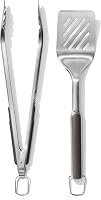
Turn food with tools that will not cut or pierce the mat. The best grill tongs can help you move food without dragging it across the surface.
The Cuisinart CGS-134 includes a stainless steel spatula, fork, and tongs, plus a grill glove. The tools are made for gas, charcoal, and ceramic grill surfaces, so the set suits readers who need separate tools around an outdoor grill mat.
Use the spatula edge carefully and avoid scraping the mat. If the mat becomes torn, cracked, scorched, or misshapen, stop using it and follow the care instructions for replacement.
What foods work well on a grill mat?
A grill mat is most useful for small, delicate, sticky, or crumbly foods that could fall through grates. It can also separate food from a dirty surface when the mat is clean and approved for that grill.
Vegetables, small pieces of food, fish, and foods with sauces may be easier to manage on a flat barrier. Food still needs enough space for heat to reach it, so avoid crowding the mat.
A mat does not make raw food safe by itself. Use a food thermometer when needed, keep raw and cooked foods separate, and follow safe cooking temperatures from the USDA food safety and inspection guidance.
Do not use a mat to cook food directly over a flame unless the mat instructions clearly allow that setup. Fat and sauce can still drip, smoke, or flare around an outdoor grill.
How do you use a grill mat with a panini press?
A grill mat can be used with a panini press only if it fits flat and does not stop the press from closing as designed. A thick or oversized mat may interfere with the floating plate or change the pressure on the sandwich.
The Hamilton Beach Panini Press has 10 x 8 in nonstick grill plates, a floating top plate, a ready light, and a 6-minute preheat instruction. Its plates are designed for sandwiches, quesadillas, personal pizzas, open-face sandwiches, and appetizers.
The press has a storage latch and PFAS-free ceramic nonstick plates that wipe clean when cool. A mat should not be placed where it prevents the plates from contacting food evenly or keeps the latch from operating normally.
An indoor grill press may be a better match when you want the appliance's own plates and pressure to shape the food. Compare the mat's purpose with the press's cooking design before adding another layer.
How do you clean and store a grill mat?
Let the mat cool fully, then wash it according to its care instructions and dry it before storage. Avoid folding or rolling it while it is hot.
Remove food residue with a soft sponge or tool that will not cut the surface. Do not use a sharp scraper unless the mat instructions specifically allow it.
Inspect both sides before the next use. Grease can collect on the underside, especially when the mat rests on outdoor grates, and a damaged edge can curl toward a hot area.
Store the mat flat or in the shape recommended by its instructions. Keep it away from knives, sharp tools, and direct heat.
When should you avoid a grill mat?
Skip the mat when it blocks airflow, touches a heating element, exceeds its heat limit, or prevents the appliance from closing correctly. Also stop using it if you see smoke, melting, permanent warping, or surface damage.
Avoid using a mat as a substitute for a clean grate or a working grease-management system. It can reduce direct contact with the surface, but it cannot stop grease from producing smoke or prevent a flare-up around its edges.
Wear heat protection when handling hot grates or cookware. The best grilling gloves can help protect your hands when the setup calls for moving hot equipment, but gloves do not make an unsafe mat placement safe.
If you need basic tools for turning or lifting food, compare a best BBQ grill tool set with the tools you already own. Choose pieces that fit the cooking surface and can be cleaned after contact with raw food.
How should you choose a grill mat?
Choose a grill mat by cooking-surface compatibility, maximum heat, size, thickness, and cleaning instructions. The best fit is the one that stays flat without covering vents, edges, grease paths, hinges, or controls.
Measure the usable cooking surface rather than the full outside width of the grill. For an indoor appliance, also measure the closed gap and check whether the lid or floating plate needs direct contact.
Pick a mat for delicate or small foods if that is the main problem. Skip it when you want strong searing, direct grill marks, or the appliance requires uncovered plates.
The main rule for how to use grill mats is simple: match the mat to the surface, keep it below its heat limit, and remove it when the fit or condition is uncertain. A compatible mat can make some foods easier to manage, but safe placement and temperature control come first.
Frequently asked questions
How do you use a grill mat?
Place the grill mat flat on a clean, compatible cooking surface, then put food on top without covering vents or allowing the mat to extend beyond the heated area. Stay within the mat's temperature limit, monitor cooking, and let the mat cool before cleaning.
Can you use a grill mat on an indoor electric grill?
Only use a grill mat indoors if its instructions allow that cooking surface and the appliance manufacturer permits a barrier on the plates. Check the mat's heat limit, keep it flat, and never block the grill's hinge, drainage path, controls, or ventilation.
What temperature can a grill mat handle?
The safe temperature depends on the specific mat, so check its printed instructions or packaging before cooking. Do not guess from the material alone.
Contact with heating elements, open flames, or temperatures above the stated limit can damage the mat or create a safety risk.
Should a grill mat cover the whole grill?
A grill mat should cover the useful cooking area without hanging over the edges or blocking vents, grease channels, hinges, or controls. A mat that is too large can shift during cooking, while one that is too small may not protect the surface where food sits.