Toaster Oven vs Microwave: Which Should You Choose? (November 2026)
Choose a microwave for fast reheating and a toaster oven for browning and crisping. Your better choice depends on whether speed, texture or cooking range matters most for daily meals.
On this page (9 sections)
- Toaster oven vs microwave: which cooks better?
- Which is faster for reheating?
- Which appliance is better for daily meals?
- Which one fits a small counter?
- Which appliance is easier to use?
- What should you check before buying?
- Are combination appliances worth considering?
- How should you set up and care for either appliance?
- Which should you choose for your kitchen?
Choose a microwave for fast reheating and a toaster oven for browning and crisping. Your daily meals will decide which trade off matters more.
If speed is the main need, a microwave starts heating right away. There is no wait for a chamber to warm up first.
If texture is the main need, a toaster oven gives dry heat and direct browning. That helps bread, pizza and leftovers keep a firm surface.
The best toaster oven vs microwave choice is not about which appliance is better in general. It is about which result you want most often.
Think about a typical week in your kitchen. You may reheat rice and soup many nights and toast bread most mornings.
A microwave handles hot liquids and soft foods with very little effort. You place a dish inside, set a time and wait a short while.
A toaster oven handles toast, pizza slices and baked portions with a different kind of heat. The surface can brown while the inside warms through.
That difference shows up in small choices. Crisp sandwiches suit a toaster oven, while a mug of oatmeal suits a microwave.
Cooking range also matters. A toaster oven can bake, broil and keep food warm in a small chamber.
A microwave focuses on fast reheating, defrosting and steaming soft food.
Neither option covers every task equally well. Picking one often means accepting slower dry heat or giving up browning and crisping.
This comparison covers standard countertop microwaves and toaster ovens. Their controls and chambers work differently, so daily habits matter more than feature lists.
Combination appliances can narrow the gap between speed and texture. They may add dry heat to a microwave style unit, but controls can grow more complex.
For background on the oven style design, our guide to what is a toaster oven explains the basic design and common uses. It can help you judge whether its heat suits your meals.
Start by naming your most common foods. Then match the appliance to the finish you want each time you cook.
If reheating speed tops your list, lean toward a microwave. If browning and crisping top your list, lean toward a toaster oven.
Measure your counter before you decide on either style. Clear space, ventilation and door room shape what will work daily.
A short trial with your usual dishes is more useful than a long feature list. Notice which appliance you reach for without thinking.
That habit usually points to the right choice for your kitchen.

Toaster oven vs microwave: which cooks better?
A toaster oven cooks better when you want browning, crisp edges or toast. A microwave is better when the goal is to heat the inside of food quickly.
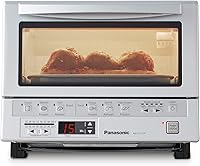
Toaster ovens use direct heat in a small oven chamber. That makes them useful for toast, pizza, baked dishes, broiled food and leftovers that taste better with a firmer surface.
For pizza-focused differences, compare toaster ovens and pizza ovens.
Microwaves use electromagnetic energy to heat food. They are useful for reheating rice, vegetables, soups, drinks and other foods where speed matters more than browning.
A microwave can warm food without giving bread or pastry the same crisp finish as a toaster oven. A toaster oven can brown the surface, but it may dry food if you leave it in too long.
What does a toaster oven do that a microwave cannot?
A standard toaster oven gives you direct browning and dry heat. This makes it the better choice for toast, crisp pizza edges, broiled dishes and small baked meals.
The BLACK+DECKER TO1313SBD offers bake, broil, toast and keep-warm functions. Its compact interior fits a 9 in pizza or 4 slices of bread, so it suits small portions and everyday breakfast food.
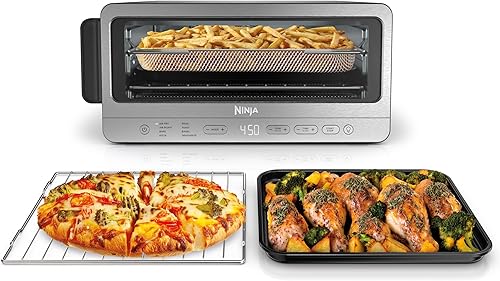
The Ninja Flip adds air fry, roast, broil, bake, pizza, toast, bagel and dehydrate functions. It can air fry or roast up to 4 lb of ingredients, bake a 12 in pizza and toast up to 6 slices.
Which is faster for reheating?
A microwave is faster for most single-portion reheating. It starts heating right away, while a toaster oven usually needs time to preheat the chamber.
The TOSHIBA Countertop Microwave Oven has 1000W output, 10 power levels and a humidity sensor. Its 1.2 cu ft interior and 12.4 in glass turntable give you more room for regular dishes.
The COMFEE' Countertop Microwave Oven has 700W output and a 0.7 cu ft capacity. Its one-touch cooking includes 1–6 minute settings and a 30-second addition, which suits quick office, dorm or apartment meals.
A toaster oven can still be quick for toast, pizza slices and crisp leftovers. It is less convenient for a mug of soup or a plate of food that only needs to become hot.
Which appliance is better for daily meals?
Choose based on the food you make most often, not on the number of functions alone. A microwave fits fast reheating, while a toaster oven supports more dry-heat cooking.
If breakfast means toast, bagels or crisp pastries, a toaster oven keeps those foods firm and browned. If breakfast means oatmeal, leftovers or a hot drink, a microwave is usually easier.
For lunch and dinner, consider the finish you want. A microwave handles quick reheating, while a toaster oven is better for pizza, roasted food, baked portions and crisp sandwiches.
The Ninja Flip is the broadest option here because its 8 functions cover air frying, roasting, broiling, baking, pizza, toast, bagels and dehydrating. Its large capacity can handle a 12 in pizza, 6 chicken breasts or up to 4 lb of ingredients.
The BLACK+DECKER is simpler. Its 4 functions and 10-liter capacity make it easier to match to toast, small pizzas, baking, broiling and keeping food warm.
For a single appliance that combines microwave and toaster-oven functions, compare the best air fryer toaster oven microwave combos. Combination models can save space, but their control systems and cooking modes deserve closer checking.
Which one fits a small counter?
The COMFEE' is the easiest fit for a small counter, while the BLACK+DECKER suits a compact toaster-oven setup. Measure width, depth and height before choosing either type.
The COMFEE' measures 13 D x 17.3 W x 10.2 H in. Its 0.7 cu ft capacity keeps the cabinet smaller, which helps in a dorm, office or apartment kitchen.
The BLACK+DECKER measures 10.8 D x 14.5 W x 8.8 H in. It has a smaller listed height and depth than the COMFEE', but its cooking chamber is intended for toast, pizza and oven-style food rather than microwave reheating.
The TOSHIBA measures 20.6 W x 14.6 D x 11.8 H in. Its 1.2 cu ft interior provides more room, but the wider cabinet needs a larger clear section of counter.
The Ninja measures 17.01 D x 15.75 W x 7.68 H in and flips up against the backsplash for storage. The flip-up feature can recover counter space after use, but you still need a suitable area to operate it safely.
Leave room for ventilation and door movement. Do not choose by cabinet measurements alone if a wall, shelf or nearby appliance could block access.
Which appliance is easier to use?
A microwave usually has the shorter path from cold food to hot food. A toaster oven gives more control over texture, but it asks you to select a cooking function and manage a heated chamber.
The TOSHIBA has touch controls, 10 power levels, one-touch starts and defrosting by weight or time. Its sensor cooking adjusts time and power based on food humidity, which can reduce guesswork for selected foods.
The COMFEE' uses buttons with one-touch cooking, 2 defrost settings, a mute function and ECO mode. The child safety lock adds a control feature for homes where preventing accidental use matters.
The BLACK+DECKER uses knob control, a 30-minute timer and a stay-on option. Its timer must be set or stay-on selected for the oven to operate, so the controls are direct but manual.
The Ninja uses button control and includes an auto cook menu. Its wider range can replace more cooking tasks, but you will need to learn which function suits each food.
What should you check before buying?
Check your usual food, available counter space and serving size first. Then compare the cooking functions, interior size and cleanup features that match those habits.
For a microwave, check the cabinet width and the dishes you use most often. The TOSHIBA's 12.4 in glass turntable supports larger plates than the COMFEE' 0.7 cu ft interior may comfortably hold.
For a toaster oven, check the largest food you plan to cook. The BLACK+DECKER fits a 9 in pizza and 4 slices of bread, while the Ninja fits a 12 in pizza and up to 6 slices.
Think about cleanup too. The BLACK+DECKER has a removable crumb tray.
The Ninja includes a removable crumb tray, air fry basket, sheet pan and wire rack, so its broader cooking range also means more parts to manage.
If stainless steel matters for your kitchen, compare stainless steel air fryer toaster ovens. If an existing rack needs replacing, see the guide to replacement racks for toaster ovens and measure before ordering.
Are combination appliances worth considering?
A combination appliance is worth considering when you want microwave speed and toaster-oven functions but have room for only one main unit. Compare the exact modes and interior size instead of assuming every combo works the same way.
A microwave convection oven combo may provide more cooking options than a standard microwave. Our guide to countertop microwave convection oven combinations covers that middle ground.
Air fryer microwave combos can suit households that want quick reheating and crisp food. See microwave air fryer combos if you want both functions in one appliance.
For larger households, large microwave air fryer combos may offer more interior room. Measure the counter carefully because a larger combination unit can be harder to place than 2 smaller appliances.
A combination unit may reduce appliance clutter, but it can also make the controls more complex. Choose it when you will use several modes often, not just because the feature list is long.
How should you set up and care for either appliance?
Use a stable countertop, keep ventilation areas clear and follow the exact manual for installation and cleaning. Countertop placement does not remove the need for safe clearance and correct cookware.
Keep food and bakeware contained inside the toaster oven. BLACK+DECKER advises keeping food and bakeware at least 1½ in from the top heating elements, and its outer surfaces become hot during use.
Remove crumbs after the toaster oven cools. A removable crumb tray helps, but it does not replace wiping spills and checking that food has not fallen near the heating elements.
For a microwave, use only containers intended for microwave cooking. Keep the interior clean, let steam and splatters cool before wiping, and follow the manual for the turntable and roller ring.
The FDA provides general microwave oven safety guidance for safe use. Stop using an appliance if its door, controls or power cord appears damaged.
Which should you choose for your kitchen?
Pick a microwave if you reheat meals, liquids and vegetables most often. Pick a toaster oven if you care more about toast, browning, crisp leftovers and small oven-style meals.
Start with breakfast, since it often sets the pattern. Toast, bagels and pastries stay crisp in a toaster oven.
Oatmeal, scrambled eggs and hot drinks are simpler in a microwave. Speed matters more than a browned surface for those foods.
For lunch, a microwave suits soup, rice and leftover portions. You can heat a single serving and return to work quickly.
A toaster oven suits a crisp sandwich or pizza slice at lunch. The dry heat keeps the outside firm while the inside warms.
Dinner brings a wider set of options. A microwave handles reheating and defrosting, while a toaster oven handles baking, broiling and roasting in small batches.
Choose the COMFEE' for a small counter and simple reheating. Its compact cabinet suits dorms, offices and apartment kitchens.
Its 0.7 cu ft interior and 700W output keep expectations modest. It works best for single portions and smaller dishes.
Choose the TOSHIBA when you want more interior room, 1000W output and sensor cooking. It suits regular plates and larger reheating jobs.
Its 1.2 cu ft interior and 12.4 in turntable give dishes more room to turn. Humidity sensor cooking also reduces guesswork for selected foods.
Choose the BLACK+DECKER for a compact toaster oven with direct controls and 4 cooking functions. It suits toast, small pizza and simple baking.
Its 10 liter chamber fits a 9 in pizza or 4 slices of bread. The 30 minute timer and stay on option keep routine use straightforward.
Choose the Ninja when you want a larger cooking range, family sized capacity and flip up storage. It covers air frying, roasting, broiling, baking, pizza, toast, bagel and dehydrating.
Its larger chamber can hold a 12 in pizza, up to 6 slices of toast or up to 4 lb of ingredients. That range suits households cooking for several people.
Counter space should shape the final pick. Measure width, depth and height for the spot where the appliance will live.
Leave room for the door to open and for ventilation. Also weigh cleanup and learning time, since more functions can mean more parts and settings.
If you want both fast reheating and crisp cooking, compare combination models before buying a second appliance. Check the exact modes and interior size first.
The right decision matches your daily food and available counter space. Pick the appliance you will use without hesitation.
Frequently asked questions
Is a toaster oven better than a microwave?
A toaster oven is better for browning, crisping, toast, pizza and small baked dishes. A microwave is better for speed, reheating liquids and warming food without preheating.
Choose the toaster oven when texture matters most, or the microwave when you want food ready quickly.
Which is faster, a toaster oven or microwave?
A microwave is usually faster for reheating single portions because it does not need a long preheat. A toaster oven takes more time to heat the cooking chamber, but it can produce a browned or crisp surface that a standard microwave does not provide.
Can a toaster oven replace a microwave?
A toaster oven can replace some microwave tasks, but it won't match microwave speed for soups, drinks and soft leftovers. It works well as a replacement when you mostly toast bread, reheat pizza, crisp prepared food or cook small meals with a browned finish.
Can you use a microwave and toaster oven together?
You can use both appliances in the same kitchen, but keep each on a suitable countertop location with the ventilation and electrical clearance required by its manual. Never place cookware or food in an appliance unless that appliance and its instructions allow it.