What Can You Cook on a George Foreman Grill?
George Foreman grill recipes work best with burgers, chicken, steak, fish, vegetables, sandwiches, and other foods that cook well between heated plates. Use smaller portions, check doneness with a thermometer, and clean the plates after cooking.
On this page (9 sections)
- What can you cook on a George Foreman grill?
- What vegetables can you cook on a George Foreman grill?
- Can you cook fish on a George Foreman grill?
- Can you make sandwiches and panini?
- How does a George Foreman grill cook food on both sides?
- What should you avoid cooking on a George Foreman grill?
- How do you choose recipes for a George Foreman grill?
- How do you clean and care for the grill?
- Which George Foreman grill recipes should you try first?
George Foreman grill recipes work best with burgers, chicken, steak, fish, vegetables, sandwiches, and other foods that cook between heated plates. The contact design cooks both sides at once, so small portions and even thickness usually give the most predictable results.
The grill suits fast indoor meals because food sits directly against hot plates. You still need to manage moisture, thickness, and doneness.
A browned surface does not prove that meat or poultry is safe inside.
What can you cook on a George Foreman grill?
You can cook many foods that benefit from direct contact heat. Burgers, boneless chicken, thin steaks, fish fillets, sliced vegetables, sausages, and toasted sandwiches are practical choices.
The plates press against both sides of the food, which can shorten cooking time compared with a single open surface. That same pressure means delicate foods may flatten, fillings can escape, and thick pieces may need extra care.
Which meat works best for George Foreman grill recipes?
Thin, evenly shaped cuts are usually the easiest meat to cook. Burgers, boneless chicken breasts, pork chops, steak portions, and sausages can fit the contact format when they are not too thick for the lid to close properly.
Trim or manage excess fat before cooking. The George Foreman design includes a sloped grilling surface that helps move fat away from food, with a drip tray for collecting grease.
Use a food thermometer for the final check. The USDA's safe minimum internal temperature chart explains the temperatures for different meats and poultry.
Can you cook chicken on a George Foreman grill?
Yes, boneless chicken is a useful choice because it can sit flat between the plates. Pound uneven pieces to a similar thickness, then season or marinate them before cooking.
Avoid relying on timing alone. Chicken can vary in thickness, and the lid may press one area more firmly than another.
Keep raw chicken separate from cooked food and wash tools that touched it. Let the grill cool before cleaning according to its care instructions.
Can you cook steak and burgers?
Steak and burgers work well when the portions fit the cooking surface and have an even shape. A thinner burger cooks more evenly than a tall one, while a smaller steak is easier to position between the plates.
Do not press down repeatedly during cooking. The grill already applies contact pressure, and extra force can squeeze out moisture or push juices toward the drip tray.
Rest cooked meat briefly before serving. If you want more ideas for outdoor-style cooking, Guy on Fire includes 352 pages of recipes for grilling and tailgating.
This cookbook suits cooks who want recipe inspiration for backyard grilling, camping, tailgating, holidays, and group meals. Its focus is broader than a small indoor contact grill, so use it for flavor ideas and adaptable methods rather than assuming every recipe fits a compact surface.
What vegetables can you cook on a George Foreman grill?
Zucchini, peppers, onions, mushrooms, asparagus, and similar vegetables can cook well on the grill. Slice them evenly so the plates make steady contact and the pieces finish at about the same time.
Vegetables with a high water content may soften quickly. Dense pieces may need thinner cuts or partial cooking before they go on the grill.
Lightly coat vegetables if needed, but avoid excess oil that can run into the drip tray. Arrange pieces in a single layer when possible.
How do you cook vegetables without making them soggy?
Use even slices and leave room for contact with the plates. Crowding traps steam and makes it harder for the grill to brown the surfaces.
Pat wet vegetables dry before cooking. Add salt near the end when you want to limit moisture release.
Zucchini planks, pepper strips, mushroom caps, asparagus spears, and onion rounds are practical shapes. Turn or reposition food only if the grill design and cooking instructions allow it.
Can you cook fish on a George Foreman grill?
Fish can work when the fillet is firm enough to handle contact heat and fits flat between the plates. Choose even portions and use a gentle hand when placing or removing them.
Delicate fish may stick, break, or lose its surface as the lid opens. Check the food before lifting it, and use a utensil that will not scratch the cooking surface.
Keep fish portions moderate so the lid closes without crushing them. If you want broader countertop-grill ideas, The Ultimate Panini Press Cookbook includes more than 200 recipes for panini, main courses, grilled fish tacos, and other foods.
This book suits readers who want to use a contact grill for more than meat. It offers a wider recipe range than a basic grilling guide, but you still need to adjust portions and cooking times for your grill's surface.
Can you make sandwiches and panini?
Yes, sandwiches, panini-style meals, quesadillas, and toasted wraps are natural uses for a George Foreman grill. Keep the filling level moderate and place the sandwich so the bread stays within the heated plates.
The grill's contact heat can toast both sides at once. Wet fillings may leak, so use ingredients that are drained or patted dry.
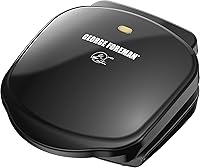
A compact model can be useful for one or two servings. The George Foreman GR10B has a 7.36 x 5.67 in cooking surface and is designed for 1–2 servings.
The GR10B suits dorm rooms, small kitchens, couples, and readers who want a portable indoor grill with a compact footprint. Its 760-watt electric system, nonstick cooking surface, sloped design, lid, and dishwasher-safe drip tray support simple everyday meals.
Its smaller cooking area also limits batch size. If you need more room, compare george foreman grill vs ninja grill before choosing a different countertop grill.
For another way to think about sandwich appliances, read can you use a panini press as a grill. A panini press and a George Foreman grill overlap, but recipe space and cooking surfaces can differ.
How does a George Foreman grill cook food on both sides?
A George Foreman grill uses a clamshell design with an upper and lower cooking plate. Food sits between the plates, so heat reaches both sides during the same cooking cycle.
Read How Does a Clamshell Grill Cook Food on Both Sides? for a closer explanation of the contact pattern and why thickness affects results.
This design works best when food has a reasonably flat surface. Irregular shapes may cook unevenly if some areas do not touch the plates.
For a broader comparison of cooking layouts, see What Is the Difference Between a Contact Grill and an Open Indoor Grill?. An open grill gives you more control over placement, while a contact grill applies heat from above and below.
What should you avoid cooking on a George Foreman grill?
Avoid foods that are too thick, too loose, very wet, or likely to spill into the hinge and edges. Soups, runny batters, large roasts, and oversized portions are poor matches for a small contact surface.
You should also be careful with foods that need gentle handling. Soft fish, filled pastries, and heavily stuffed sandwiches may break or leak when the lid closes.
Do not cover the plates with foil unless the grill's instructions specifically allow it. Keep vents and hinges clear, and use the cooking surface only as directed.
How do you choose recipes for a George Foreman grill?
Choose recipes with flat portions, short cooking times, and ingredients that tolerate contact heat. Search for grilled vegetables, indoor-grill chicken, thin burgers, fish fillets, panini, quesadillas, and toasted sandwiches.
Adapt larger recipes by reducing portion size. A recipe written for an outdoor grill may require smaller cuts, fewer ingredients, or multiple batches on a countertop model.
Use Guy on Fire for grilling flavors and party ideas, the George Foreman GR10B for compact daily portions, and The Ultimate Panini Press Cookbook for sandwiches and broader countertop-grill meals.
For another appliance comparison, read george foreman grill vs panini press. That comparison can help if your main goal is toasted sandwiches rather than meat and vegetables.
How do you clean and care for the grill?
Let the grill cool, remove loose food, and clean the cooking area according to the manufacturer's instructions. The GR10B includes a dishwasher-safe drip tray, which can simplify grease cleanup.
Do not pour water over a hot electric grill. Keep the cord, plug, and electrical parts dry, and avoid abrasive tools that could damage the cooking surface.
Clean grease before it hardens. A tidy drip tray and cooking surface make the next batch easier to manage.
Which George Foreman grill recipes should you try first?
Start with thin burgers, boneless chicken, sliced vegetables, fish portions, or a simple toasted sandwich. These foods match the contact format and make it easier to learn how quickly your grill cooks.
Choose the GR10B when you need a compact 1–2 serving appliance. Choose Guy on Fire when you want grilling and tailgating ideas, or The Ultimate Panini Press Cookbook when sandwiches and countertop-grill recipes are the main goal.
The best George Foreman grill recipes are the ones that fit the plates, cook evenly, and can be checked safely before serving.
Frequently asked questions
What foods can you cook on a George Foreman grill?
You can cook burgers, chicken, steak, fish, vegetables, sausages, quesadillas, and sandwiches on a George Foreman grill when the food fits between the plates and can handle contact heat. Cut thick foods to an even size, avoid overfilling the grill, and confirm safe internal temperatures with a food thermometer.
Can you cook vegetables on a George Foreman grill?
Yes, vegetables such as zucchini, peppers, onions, mushrooms, and asparagus can work well on a George Foreman grill. Cut them into even pieces, use enough surface area for contact with the plates, and remove them when tender.
Dense vegetables may need to be sliced thinly or partly cooked first.
Can you cook frozen food on a George Foreman grill?
Some frozen foods can be cooked on a George Foreman grill, but the package instructions and the grill manual should guide you. Frozen foods release water and may cook unevenly, so check the center carefully before serving.
Do not assume a browned outside means the inside is hot and safe.
Is a George Foreman grill good for sandwiches?
Yes, a George Foreman grill can make toasted sandwiches, panini-style sandwiches, quesadillas, and similar foods. Keep fillings moderate so they do not spill into the hinge or edges, and use bread that fits the cooking surface without being compressed too heavily.