What Is the Difference Between a Contact Grill and an Open Indoor Grill?
On this page (15 sections)
- What Matters at a Glance
- The Direct Explanation
- Five Checks to Complete
- How to Check Your Own Setup
- How the Main Designs Change Cooking
- Heat Setting Is Not Food Temperature
- Smoke, Grease, and Ventilation
- Power and Cord Safety
- Common Mistakes
- Cleaning and Inspection
- When to Stop and Get Help
- A Final Checklist
- The Bottom Line
- Frequently Asked Questions
- Sources and Further Reading
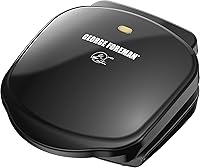
A contact grill closes heated plates around food and cooks from above and below. An open indoor grill has an exposed cooking surface that heats mainly from below, so food normally needs to be turned for even cooking.
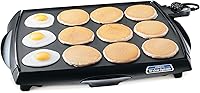
Contact grills can cook thin foods quickly and drain fat along sloped plates. Open grills give more direct access and handle varied shapes, but they expose more hot surface and may release more grease vapor into the room.
What Is the Difference Between a Contact Grill and an Open Indoor Grill makes more sense when you separate the heating method, appliance controls, food load, room setup, and safety limits. A feature name by itself cannot tell you how every grill will perform.
This guide explains the mechanism in plain language and gives you a practical way to check the exact appliance, counter, outlet, ventilation, food, and cleaning steps.
What Matters at a Glance
| Area | What to verify | Why it matters |
|---|---|---|
| Appliance | Exact model, mode, plate, lid, and controls | Defines the intended heat path |
| Placement | Clearance, surface, cord, and ventilation | Controls heat and electrical risk |
| Food | Thickness, load, preheat, and internal temperature | Affects browning and safe doneness |
| Care | Grease tray, plates, shield, and housing | Limits residue, smoke, and damage |
The Direct Explanation
A contact grill closes heated plates around food and cooks from above and below. An open indoor grill has an exposed cooking surface that heats mainly from below, so food normally needs to be turned for even cooking. A stovetop grill pan instead depends on the burner beneath it.
Contact grills can cook thin foods quickly and drain fat along sloped plates. Open grills give more direct access and handle varied shapes, but they expose more hot surface and may release more grease vapor into the room. Similar-looking appliances can have different clearances, power requirements, plate coatings, lid behavior, filters, and washing limits, so always match the full model number to the current manual.
Five Checks to Complete
- Identify the exact grill design and model.
- Confirm plate, lid, fan, and tray configuration.
- Preheat and load the appliance as directed.
- Verify food doneness with a thermometer.
- Cool and clean every removable part correctly.
Write down the grill model, rated power, required clearances, plate or accessory setup, counter material, outlet location, and food load. Those details turn a vague feature claim into a safe, repeatable setup.
Safety boundary: Use only an appliance explicitly approved for indoor use. Follow the manual for clearance, ventilation, cord and outlet use, hot-surface handling, grease control, accessories, cooling, and cleaning. Never immerse an electrical base, bypass a thermal or electrical safeguard, or use water on a grease or electrical fire.
How to Check Your Own Setup
- Identify the appliance. Match the full model number, plate, lid, tray, shield, probe, and selected mode to the manual.
- Prepare the location. Use a dry, level, heat-resistant surface with every vent and lid clearance open.
- Inspect before power. Check the cord, plug, plates, latches, tray, hinges, feet, vents, and removable parts.
- Run a supervised cook. Preheat as directed, avoid crowding, control splatter, and verify internal food temperature.
- Shut down correctly. Unplug when instructed, let the appliance cool, empty grease safely, and clean only approved parts.
How the Main Designs Change Cooking
Contact and clamshell grills
These grills use an upper heated plate and a lower plate. Even contact depends on food thickness, hinge travel, pressure, and surface shape, so the center still needs a temperature check.
Open grills and griddles
An open grill exposes one heated surface, while an electric griddle provides broad flat contact. The usable cooking area is the part of that surface available for food. Turning, drainage, splatter, utensil choice, and room ventilation differ between them.
Fan-assisted combination units
A fan can move hot air or smoke toward a filter and may support an air-crisp mode. Keep the intake, exhaust, shield, and filter arranged exactly as the selected mode requires.
Heat Setting Is Not Food Temperature
A dial, program, or ready light describes the appliance’s heating system. It does not prove the coldest part of the food is done, especially after adding a large or chilled load.
Use a suitable food thermometer at the correct location and follow current food-safety guidance for the food. Do not infer doneness from grill marks, color, a fixed cooking time, or the lid temperature.
Smoke, Grease, and Ventilation
Electric heat avoids a fuel flame at the appliance, but food and grease can still produce smoke, vapor, odor, and splatter. Clean grease paths, avoid overloading, and use the room ventilation and clearance required by the manual.
If smoke becomes heavy, unusual, or electrical in odor, switch off and unplug only when it is safe to approach. Do not carry a hot, smoking appliance or pour water into it.
Power and Cord Safety
Use the voltage, outlet type, and circuit arrangement specified for the grill. Route the cord away from hot plates, hinges, water, stove burners, walkways, children, pets, and the counter edge.
Do not use a damaged plug or cord. Avoid adapters and extension cords unless the manufacturer explicitly permits the exact setup, and stop for loose connections, repeated trips, sparking, or unusual heat.
Common Mistakes
- Assuming “electric” automatically means approved for indoor use
- Treating “smokeless” as a promise of zero smoke or odor
- Blocking a rear vent or opening a lid into a low cabinet
- Crowding the plate and expecting the ready light to confirm doneness
- Running a cord near a sink, hot burner, or counter edge
- Washing the electrical base like a removable plate
Cleaning and Inspection
Let the unit cool as directed before handling grease, plates, shields, probes, trays, or filters. Remove parts only when the manual allows it, and follow coating-safe utensil, detergent, dishwasher, and soaking instructions.
Inspect hinges, latches, feet, nonstick surfaces, seals, vents, fan paths, grease drains, cord, and plug. A part that is cracked, loose, swollen, melted, or failing to seat correctly needs approved service or replacement.
When to Stop and Get Help
Stop for damaged wiring, sparking, repeated breaker trips, unusual electrical odor, smoke from an empty clean appliance, warped plates, broken latches, uncontrolled grease leakage, severe coating damage, or water inside the electrical base.
Use the manufacturer or a qualified appliance technician for internal electrical, thermal, sensor, fan, cord, or structural faults. Contact an electrician when the outlet, circuit, grounding, or repeated protection-device operation is in doubt.
A Final Checklist
- The exact grill model is approved for indoor use
- Every side, rear, overhead, lid, and vent clearance is open
- The counter is dry, stable, level, and heat resistant
- The cord reaches an approved outlet without crossing a hazard
- Plates, tray, shield, filter, probe, and mode match the manual
- Food is spaced properly and checked with a thermometer
- The cooled appliance is cleaned and inspected after use
The Bottom Line
A contact grill closes heated plates around food and cooks from above and below. An open indoor grill has an exposed cooking surface that heats mainly from below, so food normally needs to be turned for even cooking.
Use the exact manual, measured clearance, correct accessories, safe outlet, and a food thermometer as the decision standard. That is more reliable than a generic wattage, serving, smokeless, ready-light, or temperature-range claim.
Frequently Asked Questions
Does an electric grill create carbon monoxide?
The appliance itself does not burn gas or charcoal, but food, grease, smoke, and nearby fuel-burning equipment still require normal ventilation and alarm practices. Never add charcoal or fuel to an electric grill.
Can parchment, foil, or a grill mat be added?
Only when the exact manual permits it for the selected mode. An added layer can block grease drainage, airflow, sensors, or heat transfer.
Can a damaged nonstick plate keep being used?
Follow the manufacturer’s replacement guidance. Stop for peeling, deep scratches, warping, exposed base material, or a plate that no longer locks or sits flat.
Should the grill be moved while it is hot?
No, unless the manual provides a specific safe procedure. Let it cool, empty grease as directed, and carry it by approved handles with the cord secured.
When should professional help be used?
Use qualified help for outlet and circuit problems or for internal wiring, controls, fans, sensors, thermal protection, and structural damage that are not user-serviceable.