Can an Indoor Grill Taste Like Charcoal?
An indoor grill can taste similar to charcoal in seared flavor, but it cannot fully reproduce charcoal smoke. High heat, a closed hood, and careful cooking can bring you closer.
On this page (8 sections)
- What does charcoal add that an indoor grill cannot?
- Can an indoor grill that tastes like charcoal make grill marks?
- Which indoor grill features help create charcoal-like flavor?
- Can a griddle make food taste like charcoal?
- Is a compact contact grill useful for charcoal-style cooking?
- How should you use an indoor grill for deeper flavor?
- Can you use propane indoors for a charcoal-like taste?
- Which indoor grill is closest to charcoal flavor?
An indoor grill can create a charcoal-like seared taste, but it cannot fully copy charcoal smoke. Electric heat can brown meat, leave grill marks, and build roasted flavor, while charcoal adds a smoke profile that indoor electric heat does not produce.
Searing comes where food meets the hot surface. Moisture slows browning, so dry food, preheat the surface, and leave space between pieces so heat can reach each side.
A hood holds heat around food instead of letting it escape upward. That enclosed heat can deepen browning and make grill marks more consistent on thicker pieces.
Smokeless does not mean flavorless, and it does not mean charcoal flavor either. An electric grill avoids burning fuel, so it should not be expected to add smoky notes from charcoal combustion.
Set-up matters more than it first seems. A fully preheated surface browns faster than one still warming, and crowded food drops the temperature and steams instead of sears.
Searing builds a rich, roasted crust that many people enjoy, while charcoal smoke adds a different layer indoors cannot create. Those two flavors are related, but they are not the same.
The closest results come from a hot surface, uncrowded food, and a hood that holds heat around the food. If you want a wider comparison, our guide to the best electric grills for indoor cooking covers the features that matter most.
Use that comparison to match the grill to the food you cook most often. A hooded model suits searing and grill marks, a flat surface suits batch cooking, and a compact model suits small portions.
Care also affects flavor over time. Grease left on a hot surface can smoke and turn bitter, so wipe the surface as directed and empty the drip tray before the next use.
With that routine, an indoor grill can give browned, flavorful food without the fuel or cleanup of an outdoor fire. Judge it by browning, juiciness, and texture, where a well used indoor grill does its best work.
What does charcoal add that an indoor grill cannot?
Charcoal adds smoke from burning fuel, while an indoor grill mainly creates browning from direct electric heat. That difference is why an electric grill can taste grilled without tasting exactly like food cooked over charcoal.
Browning develops when the food surface meets a hot cooking surface. Dry the outside of the food first, leave space between pieces, and wait for the grill to preheat before cooking.
Smoke is a separate part of the flavor. An indoor appliance should not be used with charcoal, lighter fluid, or other outdoor fuel.
Read can you use a charcoal grill indoors before trying to recreate outdoor grilling inside.
Can an indoor grill that tastes like charcoal make grill marks?
Yes, some indoor grills can make grill marks and a browned surface, especially when the cooking plate reaches high heat. Grill marks improve the visual cue of outdoor grilling, but they do not prove that the food has charcoal smoke flavor.
A closed hood can also help hold heat around the food. The Hamilton Beach Electric Indoor Searing Grill has a hood, a 118 sq. in. cooking surface, and an adjustable temperature control that reaches 450°F.
Hamilton Beach says its high-heat searing setting helps lock in juices and flavor. The grill has a removable PFAS-free nonstick grate, removable hood and plate, and a removable drip tray that are dishwasher safe.
Choose this style if you want the closest match to the outdoor grilling process from these 3 options. The trade-off is its larger 12.4 in D x 16.73 in W x 6.81 in H footprint and 8.1 lb weight.
Which indoor grill features help create charcoal-like flavor?
Look for high heat, a cooking surface that contacts the food, and a hood when charcoal-like flavor is your main goal. These features support browning and grill marks, though none creates real charcoal smoke.
A temperature control gives you more than one cooking approach. You can use high heat for searing, then lower heat for foods that do not need the same intense surface browning.
A drip tray helps manage grease during indoor cooking. It does not add smoke flavor, but it can make cleanup easier and reduce the amount of grease left around the cooking surface.
If you are unsure what the word smokeless means, read what does smokeless mean on an indoor grill. The term does not mean the appliance creates charcoal flavor.
How do indoor electric grills work?
How do indoor electric grills work? explains the basic heating process. In simple terms, an electric element heats the grill surface, and the surface transfers heat to the food.
That method can brown food without burning charcoal. It also lets you cook indoors with a plug, temperature controls, and a surface designed for countertop use.
Can a griddle make food taste like charcoal?
A griddle can create browned food, but it usually gives less of the raised grill-mark pattern associated with charcoal grilling. Its broad flat surface can still work well for burgers, vegetables, pancakes, and other foods that benefit from even contact.
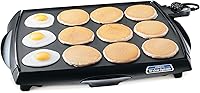
The Presto 07046 Tilt 'n Drain Big Griddle has a ceramic nonstick cooking surface that is PFAS free. Its 1500-watt Control Master heat control maintains cooking temperatures automatically, and the surface can stay level or tilt to drain meat juices.
The griddle has a cooking area large enough for up to 12 slices of French toast at once. Its cool-touch base surrounds the front and both sides, and a slide-out drip tray helps with cleanup.
Choose it if you want broad cooking space and easy batch cooking more than classic grill marks. Its 23.94 in W size needs more counter space than a compact contact grill.
Is a compact contact grill useful for charcoal-style cooking?
A compact contact grill can brown small portions quickly, but its 2-serving size limits how much food you can cook at one time. It suits one or two people who want fast indoor grilling without giving up much countertop space.
The George Foreman GR10B 2-Serving Mini Grill has a 7.36 in x 5.67 in cooking surface and 760 watts of heating power. Its dual contact plates cook both sides, while the sloped surface helps remove fat during cooking.
The grill is also a panini press, and its nonstick coating reduces the need for butter or oil. A dishwasher-safe drip tray collects excess fat and grease.
Choose this model when counter space and small portions matter more than a large searing area. It can produce browned food, but the compact surface is less suited to family-size batches.
How should you use an indoor grill for deeper flavor?
Preheat the grill, dry the food, and avoid crowding the surface. These steps help the cooking surface stay hot enough for browning instead of allowing moisture to soften the exterior.
Use pieces with similar thickness so they finish at a similar time. Put food on the grill after it reaches the needed temperature, and avoid opening a hood repeatedly during cooking.
For vegetables, cut pieces evenly and leave room for contact with the cooking surface. Our guide on how to grill vegetables covers preparation ideas that work well for indoor cooking.
Grease can create smoke when it lands on a hot surface. Use the drip tray when the grill has one, keep nearby surfaces clear, and follow the appliance instructions for cleaning.
Can you use propane indoors for a charcoal-like taste?
You should not bring a propane grill indoors to create outdoor-style flavor. Propane combustion brings fuel and ventilation concerns that an electric indoor grill is designed to avoid.
Read can you use a propane grill indoors before considering that setup. An electric grill is the appropriate category for countertop indoor use when used according to its instructions.
Propane needs ventilation for the fuel it burns, and a standard indoor grill is not built to manage that setup. Moving an outdoor appliance inside changes the safety picture in ways a closed hood or open window cannot fix.
An electric indoor grill works differently because it draws power from an outlet and heats a cooking surface. It still needs space around it, a clear counter, and attention to grease, but it avoids carrying outdoor fuel into the kitchen.
That difference matters for daily use as well as safety. You can plug in an electric grill, preheat it, cook, and clean it in the same spot, without storing fuel or dealing with ignition.
If your goal is a stronger outdoor-style result, choose a hooded electric searing grill and focus on preheating, dry surfaces, and spacing. Those choices improve browning without turning an indoor kitchen into an outdoor fuel setup.
A hood and high heat will not add charcoal smoke, but they can improve crust and grill marks. That is the honest limit of indoor cooking, and it is also where the best results come from.
For most kitchens, that trade-off is worth it for convenient everyday grilling. An electric grill gives you control, fast preheating, and easier cleanup in one place.
Which indoor grill is closest to charcoal flavor?
The Hamilton Beach Electric Indoor Searing Grill is the closest match here for charcoal-style seared flavor because it combines a hood, a 450°F searing setting, and a larger cooking surface. It still will not reproduce the smoke from burning charcoal.
Choose the Presto griddle if you need a broad surface for larger batches and want a level or tilted cooking position. Choose the George Foreman mini grill if you cook for 1–2 people and need a compact contact grill.
The practical rule is simple: pick a hooded high-heat grill for deeper browning and grill marks, a flat griddle for space and batch cooking, or a compact contact grill for small portions. An indoor grill that tastes like charcoal can get close in seared flavor, but charcoal smoke remains a separate part of the experience.
Frequently asked questions
Can an indoor grill taste like charcoal?
An indoor grill can create browned surfaces, grill marks, and a roasted taste, but it cannot fully match the smoke from burning charcoal. A high-heat electric grill with a hood comes closest by helping food sear while keeping cooking indoors.
What makes an indoor grill taste more like charcoal?
High heat, a preheated cooking surface, and a hood can help an indoor grill produce deeper browning and grill marks. Dry the food before cooking, avoid crowding the surface, and use the grill's hottest setting when the food and appliance instructions allow it.
Is charcoal flavor the same as seared flavor?
No. Charcoal flavor comes from smoke and combustion, while seared flavor comes from browning on the food's surface.
An indoor electric grill can create seared flavor, but it does not burn charcoal and should not be expected to produce the same smoke profile.
Is an indoor grill safer than using charcoal indoors?
An electric indoor grill avoids charcoal, lighter fluid, and outdoor fuel, but it still produces heat, grease, and some cooking smoke. Use it as directed, keep the area clear, and never bring a charcoal grill indoors.
See the differences in our indoor charcoal grill guide.