What Is an Infrared Grill?
An infrared grill uses radiant heat to cook food directly, often creating fast, intense surface heat. The term describes the heating method, not one single grill design.
On this page (8 sections)
- How does an infrared grill work?
- What is the difference between infrared and regular grill heat?
- Is infrared grilling good for searing?
- How does infrared grilling compare with charcoal?
- Are electric contact grills infrared grills?
- What should you check before buying an infrared grill?
- How do you use an infrared grill safely?
- What is an infrared grill best for?
An infrared grill uses radiant heat to cook food directly, often creating strong surface heat for browning and searing. Infrared describes how heat reaches the food, so the grill may be gas-powered, electric, or built around a heated radiant plate.
The main difference is the path of the heat. A traditional grill heats air and the cooking grate, while an infrared system sends more heat directly from a hot element or burner toward the food.
This matters most for foods where the outside needs quick color before the inside is done. A steak, burger, or pork chop can pick up a browned crust while the center stays juicy, provided you watch thickness and timing.
It also matters at setup. Gas infrared models usually belong outdoors, while electric countertop versions may be made for indoor use with a plug and dial.
Check the manual instead of assuming every infrared grill fits the same space.
Radiant heat can feel intense because the surface facing the element cooks faster than the rest. Turning food, using a lower setting after searing, or moving thinner pieces to a cooler spot can keep results even.
For everyday cooks, the choice comes down to fuel, space, and cleanup. Charcoal gives smoke and outdoor flavor, electric gives simpler control, and a radiant plate gives focused heat without open flame.
How does an infrared grill work?
An infrared grill turns energy into heat that travels as radiation toward the cooking surface and food. The heat does not need to warm a large amount of air first, which can help the cooking surface reach high temperatures quickly.
Gas infrared grills commonly use a burner beneath a ceramic, metal, or similar radiant surface. Electric versions use a heated element or plate.
The exact construction matters because two products can both use the word infrared while offering different controls, surfaces, and indoor-use rules.
Infrared heat is strongest at the surface facing the heat source. Turn food as needed so both sides cook properly, and use a thermometer when the center temperature matters.
For a broader explanation of electric heating methods, see How Do Indoor Electric Grills Work?.
What is the difference between infrared and regular grill heat?
Infrared heat transfers more energy directly to the food surface, while regular grill heat relies more on hot air and a heated grate. In practice, infrared cooking often focuses on fast browning and searing.
A standard charcoal grill still creates intense heat through hot coals and radiant energy. The difference is that an infrared grill is designed to make radiant heat the main cooking method or a clearly defined part of the system.
Infrared cooking does not mean every meal will finish faster. Thick food can brown on the outside before the center is ready, so lower heat, indirect cooking, or a longer cooking time may still be useful.
Does “infrared” mean the grill has no flames?
No. Infrared does not always mean flame-free.
A gas infrared grill may use a flame to heat a radiant surface, while an electric model can produce radiant heat without combustion.
That distinction affects where you can use the grill. An electric indoor grill and an outdoor charcoal grill have very different ventilation, fuel, smoke, and setup needs.
Is infrared grilling good for searing?
Infrared grilling can suit steaks, burgers, pork chops, and other foods where surface browning matters. Strong direct heat can help create a browned exterior before you reduce the heat or move food away from the hottest area.
A hooded electric searing grill can be a simpler countertop option. The Hamilton Beach Electric Indoor Searing Grill has an adjustable temperature control up to 450°F, a 118 sq. in. surface, a removable nonstick grate, and a removable extra-large drip tray.
Its power and preheat lights give you a visual cue during setup. The hood, plate, and drip tray are removable and dishwasher safe, which suits cooks who want high heat without charcoal or propane.
The trade-off is that this is a single countertop grill with a defined cooking surface. If you need outdoor capacity, charcoal flavor, or a larger cooking area, compare it with the best indoor outdoor electric grill options for that use.
How does infrared grilling compare with charcoal?
Charcoal creates smoke and flavor from burning fuel, while infrared systems focus on direct radiant heat. A charcoal grill can still deliver strong radiant heat, but it requires fuel, ash handling, airflow control, and outdoor use.
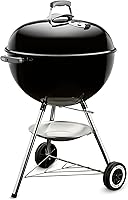
The Weber Original Kettle Charcoal Grill has a 22 in cooking grate, a porcelain-enameled lid and bowl, an aluminized steel ash catcher, and dampers for airflow control. Its cooking surface is designed to hold up to 13 burgers made with a Weber burger press.
This grill suits readers who want the charcoal process and outdoor cooking space rather than a plug-in countertop appliance. The One-Touch cleaning system helps remove ash, while the angled lid hook gives you a place to hold the lid during cooking.
It is not an indoor infrared solution. Its fuel type is charcoal and its use is outdoor, so it needs a suitable outdoor location with safe clearance and ventilation.
Are electric contact grills infrared grills?
Not every electric contact grill is an infrared grill. A contact grill usually cooks food between heated plates, while an infrared electric grill may use a radiant element or heated surface that sends direct heat toward the food.
The terms can overlap in product descriptions, but you should check the actual heating design rather than assuming that “electric,” “searing,” or “grill marks” means infrared.
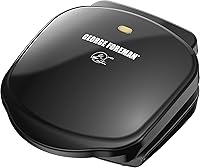
The George Foreman 4-Serving Indoor Grill with Removable Plates uses removable grill plates, a 60 sq. in. cooking area, and a nonstick coating. Its 35% faster heating claim is part of the product description, and the plates are dishwasher safe.
Its size fits a main course for 4 servings, so it suits couples, roommates, and small families who want quick indoor meals. The grill also works as a panini press, giving it a different role from a standalone infrared searing surface.
The trade-off is cooking space. A 60 sq. in. area is more compact than the Hamilton Beach grill's 118 sq. in. surface, but removable plates can make cleanup easier after everyday meals.
What should you check before buying an infrared grill?
Check the heating method, safe-use location, surface size, controls, and cleanup parts first. The word infrared alone does not tell you enough about daily use.
Look for these details:
- Heating design: Find out whether heat comes from a gas infrared burner, an electric element, or a radiant plate.
- Use location: Confirm whether the grill is rated for indoor or outdoor use. Never assume an outdoor gas or charcoal grill is safe indoors.
- Temperature control: Adjustable settings give you more options than one fixed high-heat mode.
- Cooking surface: Compare the surface area with the number of servings you usually make.
- Lid design: A hood can hold heat around the food and may help with cooking thicker items.
- Cleanup: Removable plates, grates, and drip trays reduce the work after cooking.
- Ventilation and smoke: High heat can create smoke from fat and drippings, even when the heat source itself is electric.
If you are new to countertop grilling, Best Indoor Grills for Beginners can help you compare simpler designs and controls.
How do you use an infrared grill safely?
Preheat according to the grill's instructions, keep food away from blocked vents, and watch high-heat cooking closely. Direct heat can brown the outside quickly, so do not rely only on color to judge doneness.
Use tools that suit the cooking surface and avoid scraping nonstick plates with sharp metal edges. Let removable parts cool before washing them, and follow the appliance's cleaning instructions.
For a small countertop unit, keep the area around the grill clear. The small electric grill indoor tips guide covers placement, airflow, cooking batches, and cleanup habits for compact kitchens.
With charcoal or gas equipment, use the grill only in its approved outdoor setting. Keep fuel, hot surfaces, and ash away from materials that can catch fire.
Set the grill on a stable, heat-safe surface before you start. Make sure the cord, controls, and drip tray are not in the way of busy hands or passing traffic.
Keep a food thermometer close during high-heat cooking. Surface color helps, but only a thermometer tells you when the center has reached a safe temperature.
Wipe splashes and drips promptly so they do not smoke or stick during the next batch. A clean surface also gives you more even browning and fewer flare-ups.
What is an infrared grill best for?
An infrared grill is best for direct, high-surface heat when you want fast browning or searing. It can be a strong fit for cooks who care about crust and grill marks, but the right version depends on fuel, space, and cleanup needs.
Choose the Hamilton Beach if you want an indoor electric searing grill with adjustable heat and a larger 118 sq. in. surface. Choose the Weber if you want an outdoor charcoal kettle with airflow dampers, ash cleanup, and room for up to 13 burgers.
Choose the George Foreman if compact 4-serving cooking and removable plates matter most.
The key decision is not the word infrared by itself. Match the grill's heating design and safe-use location to your cooking space, then compare surface size, temperature control, and cleanup.
Frequently asked questions
What is an infrared grill?
An infrared grill uses a hot surface or infrared burner to send radiant heat directly toward food. This can produce strong surface heat and fast cooking, but the exact design varies.
Some infrared grills use gas, while others use electric heating elements or a radiant plate.
Is an infrared grill better than an electric grill?
Neither is always better. Infrared heat can suit people who want strong surface heat and searing, while a standard electric grill may be easier to use indoors with adjustable controls and removable parts.
Compare heat control, cooking space, cleanup, ventilation, and the food you cook most.
Can you use an infrared grill indoors?
Some electric grills that use radiant or searing heat are designed for indoor use, but an outdoor gas or charcoal infrared grill is not automatically safe indoors. Check the appliance's indoor-use instructions, keep ventilation in mind, and never bring charcoal or combustion equipment inside.
Does infrared heat cook food faster?
Infrared heat can cook the surface quickly because radiant energy reaches the food directly. Cooking time still depends on food thickness, starting temperature, heat setting, contact with the grate, and how often you open the lid.
Use a food thermometer for doneness.