Electric vs Gas Grill: Which Should You Choose? (November 2026)
Choose an electric grill for indoor convenience and simpler cleanup, or a gas grill for outdoor heat and larger cooking space. Your location, fuel setup and cooking style should decide the electric vs gas grill choice.
On this page (9 sections)
- Electric vs gas grill: which is better for your space?
- Which grill gives you easier daily setup?
- Which fuel gives you better heat control?
- Which option gives you more cooking space?
- Which grill is easier to clean?
- Which grill suits a small home?
- Which grill is best for the products in this comparison?
- What should you check before buying?
- Electric vs gas grill: which should you choose?
Choose an electric grill for indoor convenience and simpler cleanup, or a gas grill for outdoor heat and larger cooking space. The electric vs gas grill decision depends on where you cook, how much food you make and how much setup you want.
Location should be your first filter. An electric grill can suit a countertop or patio when the manual allows it, while a gas grill needs a safe outdoor position with room around it.
Fuel access comes next. Electric models need a suitable outlet and a heat safe surface, while gas models need propane and outdoor storage that fits your living space.
Cooking volume matters too. A single surface can work well for a small household, while separate burners help when different foods need different heat at the same time.
Cleanup should not be an afterthought. Think about nonstick surfaces, grates, drip trays and removable parts before you choose, because they shape how often you will actually use the grill.
This comparison covers 2 electric options and 2 gas grills. We checked their listed fuel systems, cooking areas, controls, materials and included features.
The electric picks are the George Foreman Indoor/Outdoor Electric Grill with Stand and the Chefman XL Electric Griddle. The gas picks are the Charbroil Portable Convective 1-Burner Propane Gas Grill and the Weber Spirit E-325 Gas Grill.
Each option suits a different routine. One group favors outlet powered indoor use, and the other group favors propane powered outdoor cooking.
Use the details below to match the grill to your space. Measure where it will sit, check the fuel setup and picture the foods you cook most often.
That approach keeps the choice practical. You will get a grill that fits daily use instead of one that only looks right on paper.
 Best for flexible indoor and outdoor use
George Foreman Indoor/Outdoor Electric Grill with Stand
 Best for portable outdoor grilling
Charbroil Portable Convective 1-Burner Propane Gas Grill
Electric vs gas grill: which is better for your space?
Electric is the better choice for indoor cooking, while gas is the better choice for outdoor grilling. The right fuel depends first on where the grill can safely operate.
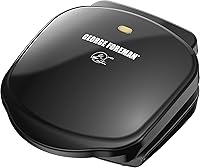
The George Foreman Indoor/Outdoor Electric Grill has a removable stand, so it can move between a heat-safe countertop and an outdoor setup. Its fully electric system needs an outlet but avoids propane and charcoal.
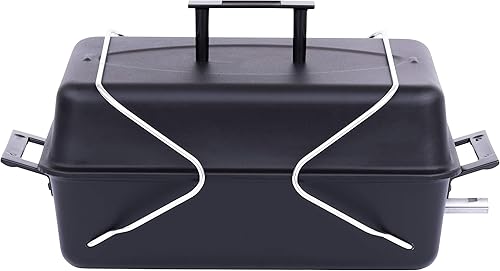
The Charbroil Portable Convective 1-Burner Propane Gas Grill is an outdoor tabletop grill. Its folding legs and heat-resistant handles make it suited to portable outdoor cooking, not indoor use.
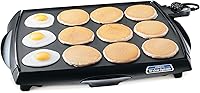
The Chefman XL Electric Griddle is designed for countertop cooking. Its 10 x 20 inch flat surface adds indoor cooking space for batches, while its removable temperature control supports cleaning.
The Weber Spirit E-325 is a free-standing outdoor gas grill. Its 26.6 x 48.3 x 46.2 inch dimensions and 98.1 pound weight make it a larger, more permanent setup than the tabletop options.
Before choosing, measure the area around the grill and check the required clearances in the manual. Our guide on how to choose a grill can help you compare location, fuel and cooking habits.
Which grill gives you easier daily setup?
Electric grills usually have the simpler daily setup because they need an outlet instead of a propane connection. Gas grills offer outdoor freedom, but you must plan for fuel, ignition and safe storage.
The George Foreman uses 1500 watts and has 5 heat settings. Preheating for 10 minutes is recommended, and the stand must clip securely into place before use.
The Chefman also uses 1500 watts. Its temperature control ranges from 200–420°F, covering warming, breakfast foods and meat cooking on a flat surface.
Gas grills need an outdoor location and a suitable propane setup. The Charbroil has 1 burner and 11,000 BTU, while the Weber has 3 burners and 19,000 BTU.
Follow the manual for connecting and lighting any gas grill. Keep the grill outdoors and allow enough room around it for cooking, cleaning and safe movement.
For more indoor electric options, see our guide to the best electric grills for indoor cooking. If you are unsure whether this format suits your routine, read are electric grills any good.
Which fuel gives you better heat control?
Gas gives you separate burner control, while electric gives you simple dial-based heat settings or temperature control. Neither fuel is automatically better for every meal.
The George Foreman has 5 heat settings, which makes it easier to select a broad heat level for steaks, fish, vegetables, fruit and desserts. Its single grilling surface keeps the control system simple.
The Chefman temperature control is more specific, with a 200–420°F range. That makes it useful for foods that need a flat, measured cooking surface rather than raised grill grates.
The Weber has 3 burners and a Sear Zone. Its Boost Burners are designed to add 40% more power in that zone, while Snap-Jet Ignition lights each burner individually.
The Charbroil has 1 burner, so it offers a simpler heat layout. That can suit portable cooking, but it gives you less zone separation than the Weber.
Electric grill temperature response can vary by the food load and surface. Gas control also depends on burner settings and outdoor conditions, so use the grill's instructions and a food thermometer when needed.
Our comparison of how indoor electric grills work explains how heating elements, surfaces and temperature controls shape electric cooking.
Which option gives you more cooking space?
The Weber gives you the largest cooking area at 360 square inches, while the Chefman offers the largest electric surface at 10 x 20 inches. Choose by the food you cook at one time, not by fuel type alone.
The Charbroil provides 190 square inches on a portable tabletop design. That is enough for smaller outdoor meals, but its single burner limits how many cooking zones you can create.
The George Foreman is described as a 15-serving electric grill. Its removable stand helps it serve different locations, while the single configuration keeps the cooking layout straightforward.
The Chefman has a 10 x 20 inch flat top. Its extra-large surface suits pancakes, eggs, burgers and larger indoor batches, but it is a griddle rather than a raised grate grill.
Read how electric grills differ from electric griddles before choosing between grill marks and a broad flat cooking surface.
Which grill is easier to clean?
Electric models can be easier to clean when their cooking surfaces or parts are removable, while gas models need regular grate and grease-system care. Check which pieces you can safely wash before you buy.
The George Foreman has a nonstick coating and a fat-removing slope. The grill should stay level so grease can flow into the drip tray, and nylon scrubbers are recommended after each use.
The Chefman cooking surface is fully immersible and dishwasher safe after the removable temperature control is taken off. Its slide-out drip tray collects excess oil and grease.
The Charbroil uses porcelain-coated grates designed for rust resistance and easier cleaning. Its steel construction and high-temperature finish still need routine outdoor care.
The Weber has porcelain-enameled cast-iron grates, stainless steel Flavorizer Bars and a removable grease tray. Its grease management system helps direct grease away from the burners, but those parts still need cleaning.
Never immerse a connected temperature control or electrical component. Let every grill cool, then follow its manual for cleaning tools, water use and grease removal.
If you want a smaller electric cooking surface for indoor use, compare the options in best electric grill pans.
Which grill suits a small home?
Choose an electric countertop grill for an apartment or small kitchen, provided you have a heat-safe surface and suitable outlet. A free-standing gas grill needs outdoor space and cannot replace an indoor appliance.
The George Foreman can sit on a countertop after its stand is removed. Its electric system avoids propane and flare-ups, which makes it more practical for indoor grilling than either gas option.
The Chefman is also a countertop appliance. Its 11.7 x 21.4 x 7.4 inch dimensions mean you should measure your counter and storage space before buying.
The Charbroil is portable, but portable does not mean indoor-safe. Its outdoor-use design still needs an appropriate outdoor location and propane handling.
The Weber requires the most room. It is a 3-burner, free-standing grill with folding side tables, tool hooks and side rails for optional snap-on accessories.
Keep electrical cords away from hot surfaces, and keep gas grills away from enclosed areas. Use a stable, level location and leave the working space required by the manual.
Which grill is best for the products in this comparison?
The George Foreman is the strongest all-around electric choice, while the Weber is the strongest larger outdoor gas choice. The Charbroil favors portability, and the Chefman favors large flat-top indoor batches.
The George Foreman combines a 15-serving capacity, 5 heat settings, a removable stand and 1500 watts. Pick it when one electric grill needs to work indoors and outdoors.
The Charbroil has 190 square inches, 1 burner and 11,000 BTU. Pick it when you want a compact propane grill with folding legs and heat-resistant handles for outdoor use.
The Chefman has a 10 x 20 inch surface and 200–420°F control. Pick it when breakfast foods, burgers and batch cooking matter more than raised grill marks.
The Weber has 360 square inches, 3 burners, 19,000 BTU and a Sear Zone. Pick it when you have room for a full outdoor station and want multiple burner areas.
The scores reflect how each product fits the electric vs gas grill search, using its listed specs and features.
What should you check before buying?
Check the cooking location, fuel access, surface size and cleanup method before choosing between electric and gas. These four questions remove most mismatches.
First, decide whether you need indoor use. If you do, focus on electric models designed for countertop cooking and verify the required clearance around the appliance.
Next, match the surface to your meals. A 10 x 20 inch flat top works differently from a 360 square inch outdoor grill with separate burners.
Then consider heat control. A 5-setting electric grill may be enough for your routine, while a 3-burner gas grill offers more cooking zones for different foods.
Finally, plan cleaning and storage. Removable controls, drip trays, nonstick surfaces and porcelain-coated grates all change the care routine.
Don't confuse an electric griddle with an electric grill. The griddle's flat surface suits foods that benefit from full contact, while raised grates are better when you want grill marks and grease drainage.
For temperature decisions, our MEATER Plus vs Pro comparison explains why checking food temperature can matter when grill heat and food thickness vary.
If you want a raised cooking surface for a larger indoor meal, compare the considerations in how to choose an electric griddle with a stand.
Electric vs gas grill: which should you choose?
Pick electric when you want indoor cooking, easy setup and simpler cleanup. Pick gas when you want outdoor cooking, multiple burners or a larger cooking area.
Choose the George Foreman for flexible indoor and outdoor use. Its removable stand lets it move between a heat safe countertop and an outdoor setup when the manual allows each position.
That flexibility suits renters and small households. You avoid propane and charcoal, but you still need a suitable outlet and a level surface for the fat removing slope.
Choose the Chefman for large indoor flat-top batches, especially when a 10 x 20 inch surface is more useful than grill grates. It suits eggs, pancakes, burgers and other foods that benefit from full contact with a flat surface.
Choose the Charbroil for portable outdoor propane cooking. Its folding legs and heat resistant handles support transport, and its 190 square inch tabletop layout suits smaller outdoor meals.
Choose the Weber for a larger outdoor station with 3 burners, a Sear Zone and 360 square inches of cooking area. Its free standing design needs more room, but separate burners give you more control over different foods.
The best electric vs gas grill choice is the one that fits your location, food volume and care routine. Measure your space, confirm the fuel setup and choose the cooking surface you will use most often.
Frequently asked questions
Is an electric grill better than a gas grill?
An electric grill is better for indoor use, simple setup and no propane, while a gas grill is better for outdoor cooking, higher heat and larger cooking areas. Compare the exact design, cooking space and fuel needs before choosing.
Does gas taste better than electric grilling?
Gas and electric grills can produce different cooking results, but fuel type alone doesn't decide flavor. Cooking surface, heat control, food moisture and technique also matter.
Choose gas for outdoor burner cooking or electric when convenience and indoor use matter more.
Can you use a gas grill indoors?
No. The gas grills in this comparison are outdoor models, and the Charbroil and Weber are marked for outdoor use.
Use an electric grill designed for indoor cooking instead, and follow its manual for placement and ventilation.
Which is easier to clean, an electric or gas grill?
Electric grills often simplify cleanup because some models have nonstick surfaces or removable parts. Gas grills can also have removable grease trays and easy-to-clean grates, but they usually involve more parts, burners and outdoor maintenance.