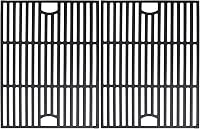
Stainless Steel vs Porcelain Grill Grates: Which Is Better? (November 2026)
Choose stainless steel for simple care and coating-free durability, or porcelain-coated cast iron for heat retention and searing. The right choice also depends on your grill model and grate dimensions.
On this page (8 sections)
- Stainless steel vs porcelain grill grate: which is better?
- How do stainless steel and porcelain grates handle heat?
- Which grates are easier to clean?
- How does coating maintenance change the decision?
- Which stainless steel grate should you choose?
- Which porcelain grate should you choose?
- What should you check before buying replacement grates?
- Stainless steel vs porcelain grill grates: which should you choose?
Choose stainless steel for simple care and coating-free durability, or porcelain-coated cast iron for heat retention and searing.
That short answer works for many buyers, but it is only part of the decision. The right grate also needs to match your grill model, fit the supports, and suit the way you cook and clean.
Stainless steel is a solid metal surface with no enamel layer. The rods are metal all the way through, so there is no coating to chip and no bare iron to season.
Porcelain grates usually have a cast iron core covered by a porcelain-enamel finish. That mix gives you a heavier grate with strong heat retention, plus a smoother coated surface for food release.
We compared the listed materials, dimensions and compatibility details for 4 replacement grate sets. The focus here is on replacement parts for outdoor gas grills, not a full grill purchase.
Scores weigh those specs and features against the needs behind this search. Fit comes first, because even the best material will not help if the grate does not sit correctly.
Think about who each type suits before you look at rod thickness or weight. Stainless steel often suits people who want low fuss care and a grate they can brush down after most cooks.
Porcelain-coated cast iron often suits people who grill often, like strong sear marks, and are happy to handle a coated surface with a little more care. The trade off is simple but important.
Heat behavior makes a real difference in daily use. A heavier cast iron core tends to hold heat through a cold food load, which can help with steaks and chops.
A stainless grate with solid rods responds in a different way. It still cooks well, but the feel under food depends on rod thickness, spacing, and how long you preheat.
Cleaning habits should also shape your pick. If you want to brush, wipe, and move on, stainless steel has a clear edge for many routines.
If you want a coated surface that resists rust and helps food release, porcelain enamel has appeal. You just need to protect that finish from hard knocks and rough scraping.
Dimensions matter more than brand names alone. Measure each old grate on its own, because two pieces can share a headline width yet differ in depth and total coverage.
Use the model list as a check, not a guess. Match the grill name, series, and year range where given, then confirm the measurements before you order.
 Best for heavy-duty stainless steel
QuliMetal 9MM 18.75" Grill Grates for Weber
 Best for Nexgrill replacement
Uniflasy 17 Inches Cooking Grates for Home
Stainless steel vs porcelain grill grate: which is better?
Stainless steel is the easier all-purpose choice, while porcelain-coated cast iron is the better heat-retention choice.
Neither material is automatically right if the replacement grate does not match your grill. Fit, support contact, and clearances still control whether any grate can cook safely and evenly.
Stainless steel avoids the coating-care concern that comes with porcelain enamel. There is no finish to chip, so normal brushing and routine cleaning are usually simpler to manage.
It also suits buyers who want a smooth surface that can be brushed after cooking without maintaining bare cast iron. That makes it a practical pick for busy households and frequent outdoor grilling.
Porcelain-coated cast iron holds heat well and can support strong sear marks. The heavier core keeps working when cold food lands on the surface.
The enamel surface helps with food release and rust resistance. That can make weeknight grilling feel easier, especially when you want less sticking on delicate foods.
But it needs careful handling because damage to the coating can expose the cast iron beneath. A chip is not just a mark, since it can change how that spot behaves over time.
Think about set up as well as the cook itself. Heavier grates can feel steadier in place, yet they also take more care when you lift, stack, and store them.
Stainless steel sets vary a lot in weight too. Thicker rods add mass and strength, while lighter rods can be easier to move and clean.
For buyers comparing materials, the honest trade off is clear. Stainless steel gives simpler care and coating-free durability, while porcelain enamel gives heat retention with more careful handling.
If you are replacing an indoor grill surface or comparing coated cooking materials more broadly, our guide to non toxic indoor grill materials explains how surface and coating choices affect routine care.
That context can help if your grill is used inside or near food prep areas. The care rules still depend on the exact grill manual and the grate you choose.
How do stainless steel and porcelain grates handle heat?
Porcelain-coated cast iron usually holds heat longer, while stainless steel heats and cools with less mass. Your burner setup, preheating time and food load still affect the cooking result.
The QuliMetal Spirit sets use porcelain-enameled cast iron. Their heavier cores are designed for heat retention and even cooking, which can help when you place cold food on the grates.
The stainless steel options use solid rods. The QuliMetal Weber set uses 9MM rods, while the Uniflasy set uses 7MM rods.
Thicker rods add more material beneath the food and can support deeper sear marks.
A thicker stainless rod is not the same as a cast iron core. Compare the cooking surface and the heat behavior you want, then confirm that the grate matches the original dimensions.
Which material gives better sear marks?
Both materials can support searing, but they do it through different designs. Thick stainless rods offer a firm surface, while cast iron's heavier core supports heat retention.
The QuliMetal 9MM set is the strongest stainless option in this comparison for buyers who want thick solid rods. It is made from 304 stainless steel and includes 2 grates for listed Weber Genesis II 300 and Genesis II LX 300 models.
The porcelain-coated QuliMetal sets use cast iron beneath the enamel. Their wide top slat and smaller gaps are useful when you want to grill food that could otherwise fall between wider openings.
For a separate comparison with bare cast iron, see cast iron vs stainless steel grill grates. Porcelain-coated cast iron changes the care question because the cooking surface is enamel rather than exposed iron.
Which grates are easier to clean?
Stainless steel is usually the simpler material to clean because it has no porcelain coating to protect. Porcelain-coated cast iron can also be low-maintenance, but the cleaning method matters more.
After cooking, let the grate cool enough to handle safely while following the grill manual. Remove residue with a suitable brush or tool, then wipe the surface as directed for your grill.
The Uniflasy 7MM grates have a smooth stainless steel surface and are described as needing only a brush for routine care. The QuliMetal 9MM set also has a smooth 304 stainless steel surface intended for easier cleaning.
Porcelain enamel can provide a non-stick surface and reduce the need for bare-cast-iron seasoning. Do not treat that as permission to strike the grate, scrape aggressively or use a method that can chip the finish.
Avoid dropping porcelain grates onto a hard surface. Inspect the enamel during regular cleaning, especially if food begins sticking in one area or the surface shows visible damage.
How does coating maintenance change the decision?
Choose stainless steel if you want to avoid coating care, and choose porcelain enamel if you want coated cast iron without regular bare-iron seasoning. The trade-off is easier handling versus heat-retaining mass.
A stainless grate can discolor with use, but discoloration alone does not mean it has failed. Focus on bending, cracks, heavy corrosion or other damage that affects the cooking surface.
Porcelain enamel is designed to resist rust and corrosion. Its main care concern is physical damage, so use suitable utensils and avoid thermal or impact habits that your grill manual warns against.
The QuliMetal Spirit 300 set has a glossy porcelain-enamel finish over cast iron. The Spirit 200 set uses the same basic material approach but has different dimensions and compatibility.
For another coated cooking surface, our guide to the best panini ceramic grill options can help you compare ceramic-style surfaces with other grill materials.
Which stainless steel grate should you choose?
Choose the QuliMetal 9MM set for listed Weber Genesis II 300 models, or the Uniflasy 7MM set for listed Nexgrill and Cuisinart models. The exact grill match matters more than the small difference in rod thickness.
QuliMetal 9MM 18.75-inch Grill Grates for Weber
Each grate measures 18.75 x 13.25 inches, with a combined size of 18.75 x 26.5 inches. The set weighs 19.85 lb according to the product details, and its heavy build is aimed at frequent outdoor grilling.
The 9MM rods are thicker than the 7MM rods in the Uniflasy set. That gives this option a stronger case for buyers who want a substantial stainless cooking surface and do not mind the added weight.
Check your original grate dimensions and model before ordering. This set is for listed Weber Genesis II 300 and Genesis II LX 300 models, with additional listed KitchenAid compatibility.
Uniflasy 17-inch Cooking Grates
Each grate measures 17 x 13.2 inches, with a total size of 17 x 26.4 inches. The 7MM solid stainless steel rods provide a simpler replacement surface for buyers who want stainless steel without porcelain enamel.
The narrower gaps can help support smaller food. That feature is useful for vegetables or other pieces that could fall through a more open grate, but the correct fit still depends on the model and measurements.
Which porcelain grate should you choose?
Choose the QuliMetal Spirit 300 set for listed Spirit 300 and older Genesis models, or the Spirit 200 set for listed 2-burner Spirit models. These products look similar in material but are not interchangeable.
QuliMetal 17.5-inch Grill Grates for Weber Spirit
Each grate measures 17.5 x 11.9 inches, with a total cooking area of 17.5 x 23.8 inches. The package includes 2 porcelain-enameled cast iron grates.
This set fits listed Weber Spirit E310, E315, E320, E330, S310, S315, S320 and S330 models, among other listed Genesis and Spirit models. It does not fit Weber Spirit 200 series or Genesis 300 and Genesis II 300 series grills.
QuliMetal 17.5-inch Porcelain Grill Grates
Each grate measures 17.5 x 10.2 inches, with a total size of 17.5 x 20.5 inches for 2 grates. The cast iron core supports heat retention, while the porcelain enamel helps with corrosion resistance and food release.
This set is designed for listed Spirit E/S-210 and E/S-220 models from the stated model years, plus listed Spirit II E/S-210 and E/S-220 models. It is not compatible with Weber Spirit 3-burner models.
What should you check before buying replacement grates?
Check the grill model, grate count, individual dimensions and total cooking surface before choosing a material. A high-quality grate that does not fit can be unsafe or unusable.
Start with the model label on the grill and compare it with the compatibility details for the replacement set. Then measure the old grates, including length, width and the way each grate sits on its supports.
Do not compare only the headline size. The QuliMetal Spirit 300 and Spirit 200 sets are both 17.5 inches wide, but their individual depths and total widths differ.
Also check whether you need 2 grates or another arrangement. Each product here is a 2-piece set, but the two pieces are sized for different grill families.
If you prefer stainless steel for an indoor cooking setup, our guide to the best stainless steel indoor grill options covers material choice alongside grill design.
Stainless steel vs porcelain grill grates: which should you choose?
Pick stainless steel when easy care, coating-free durability and simple replacement matter most. Pick porcelain-coated cast iron when heat retention, searing and a coated surface matter more.
Those two lines point to the right starting point for most buyers. Then you need to narrow the choice by grill family, grate size, and how you plan to clean the surface.
Choose the QuliMetal 9MM set for listed Weber Genesis II 300 models and the Uniflasy set for listed Nexgrill or Cuisinart models. Each one is a stainless steel option, but the fit lists are different.
Choose the QuliMetal porcelain sets only when your Weber Spirit or Genesis model and grate dimensions match. Similar names can hide different depths, so a careful match is essential.
The best stainless steel vs porcelain grill grate decision starts with compatibility, then moves to cooking feel and care. Measure first, and do not rely on the grill brand alone.
For stainless steel, look at rod thickness in daily terms. Thicker solid rods can give a firmer surface and help form sear marks, while thinner rods may feel lighter to handle.
Narrow gaps can help with smaller foods that might slip through a more open grate. Wider top surfaces can also help with foods that need more support during turning.
For porcelain-coated cast iron, think about heat retention and handling. The cast iron core stores heat, which can help when you add a full load of food at once.
The enamel layer changes the care routine. It is meant to resist rust and aid release, but it should be protected from drops, hard impacts, and aggressive scraping.
Set up matters for both materials. Let the grate cool before washing, follow the manual for cleaning tools, and check the finish or rods for damage during routine care.
The best stainless steel vs porcelain grill grate choice will fit your grill, your food, and your habits. When those three line up, the material choice becomes much clearer.
Frequently asked questions
Are stainless steel or porcelain grill grates better?
Stainless steel grates are usually better for simple cleaning, rust resistance and long-term use without a coating. Porcelain-coated cast iron grates are better when you value heat retention and strong searing.
Fit matters first, so compare the grate dimensions and exact grill model before choosing a material.
Do porcelain grill grates rust?
The porcelain enamel helps protect the cast iron underneath from rust, but chips, cracks or exposed areas can change that protection. Handle porcelain grates carefully, avoid striking them with metal tools, and clean them with methods that won't damage the coating.
Do stainless steel grill grates need seasoning?
Stainless steel grates don't need the same seasoning routine as bare cast iron. Remove food residue after cooking, use a suitable grill brush, and keep the surface clean.
A light coating of cooking oil may help food release, but follow your grill's care instructions.
Which grates are easier to clean?
Stainless steel grates are generally easier to maintain because there is no porcelain coating to protect from chips. Porcelain-coated cast iron can also be easy to clean, but use gentler tools and avoid actions that could crack or chip the enamel.