Cast Iron vs Stainless Steel Grill Grates: Which Is Better? (November 2026)
Choose cast iron for heat retention and searing, or stainless steel for simpler upkeep and corrosion resistance. The right grill grate depends on how much care you're willing to give it and how you cook.
On this page (7 sections)
- Cast iron vs stainless steel grill grates: what is the main difference?
- Which grate holds heat better for searing?
- Which material is easier to clean and maintain?
- Which grate is more durable?
- How do you choose a replacement grate that fits?
- Which cast iron or stainless steel grill grates should you consider?
- Is cast iron or stainless steel better for your grill?
Choose cast iron for heat retention and searing, or stainless steel for simpler upkeep and corrosion resistance. The cast iron vs stainless steel grill grates decision comes down to how you cook, how often you clean, and whether you're replacing a grate for a specific grill.
Cast iron takes more care because it can rust, but its heat retention can help keep the cooking surface hot. Stainless steel is often simpler to maintain, though its performance depends on its construction and the grill using it.
 Best for cast iron searing
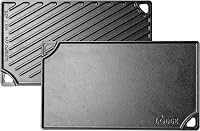
Uniflasy Grill Grates for Nexgrill Replacement Parts
 Best for Weber replacements
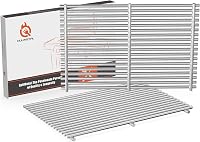
QuliMetal 17.5 Inch Cast Iron Grill Grates
Cast iron vs stainless steel grill grates: what is the main difference?
Cast iron holds heat well; stainless steel is usually easier to care for and resists corrosion. Those traits point to different choices, but neither material guarantees better food on its own.
Cast iron can be a good fit if you often sear steaks or cook over a steady, high heat. It needs to be dried and cared for so moisture doesn't lead to rust.
Stainless steel suits cooks who want a grate that's less demanding after use. It can still discolor or show wear, and you should follow the care instructions for the specific grate.
The materials don't make the grill safe or unsafe by themselves. Check the grill manual for compatible replacement grates, correct installation and cleaning instructions.
Which grate holds heat better for searing?
Cast iron generally retains heat better, which can help when you're searing food. Stainless steel can also sear well when the grate is hot enough and the grill has suitable heat.
A grate's performance depends on more than its material. Thickness, bar shape, spacing, grill temperature, and how much food you cook at once all affect how well the surface stays hot.
For example, the Uniflasy cast iron replacement set has 2 grates, each 17 x 13.25 inches, and is designed for selected Nexgrill models. The brand describes its cast iron as heat-retaining and suited to producing sear marks.
The stainless steel Uniflasy set has 7 mm bars and a smooth surface. Its dimensions are 17 x 13.2 inches per grate, close to the cast iron set's size, but you still need to check the fit against your grill.
If you want a material comparison for a grill's cooking plates rather than its bars, see our cast iron grill vs stainless steel plates guide. Plates and grates have different shapes and uses, so match the advice to the part you're replacing.
Which material is easier to clean and maintain?
Stainless steel is usually easier to maintain because it doesn't need the same rust-prevention care as cast iron. Cast iron needs to be cleaned and dried promptly, with care that protects its seasoned surface.
After cooking, let the grill cool enough to clean safely, then follow its manual for brushing and residue removal. Don't assume every brush or abrasive cleaner is suitable for every grate.
For cast iron, dry the surface thoroughly after cleaning. Follow the manufacturer's instructions for seasoning or applying a light coating of cooking oil, if those instructions call for it.
For stainless steel, a suitable grill brush can remove stuck food, but use the tool and method recommended for that grate. Avoid letting grease and food residue build up between cooks.
If rust is already present, consider whether it can be safely removed and the grate restored before cooking on it. Our guide explains whether you can cook on rusty grill grates.
Which grate is more durable?
Either material can last when it fits the grill and receives suitable care. Stainless steel resists corrosion, while cast iron can be durable but needs protection from moisture and rust.
Construction matters as much as the material label. A thick, well-made grate may hold up better than a thin or poorly fitted alternative, and the grill's heat and cleaning routine affect wear over time.
The Uniflasy stainless steel replacement has 7 mm bars. Its cast iron set is listed as matte cast iron, but the useful comparison for your grill is its fit and the care you can keep up with.
Don't assume that any grate described as stainless steel has the same composition. The SnS EasySpin grate is specified as 304 stainless steel, while the Uniflasy replacement is described as non-magnetic stainless steel.
Rust can affect both cooking performance and condition. For other grate coatings and material options, compare stainless steel vs porcelain grill grates.
How do you choose a replacement grate that fits?
Match the grate's dimensions and model compatibility to your grill before choosing a material. A grate that doesn't sit securely or cover the intended area isn't a useful upgrade.
Measure the old grate and check the model number on the grill. Compare both measurements and compatibility details before buying, since similar model names can refer to different layouts.
The Uniflasy cast iron set fits selected Nexgrill models, including the 720-0830H and 720-0888. The stainless steel Uniflasy set also names those models, but its dimensions differ slightly, so check your grill's fit requirements.
The QuliMetal cast iron set measures 17.5 x 11.9 inches per grate and fits selected Weber Spirit and Genesis models. Its compatibility information excludes some Genesis models, so confirm the exact model before ordering.
The SnS EasySpin grate is designed for 22-inch kettle grills. Its rotating feature and large hinged opening are useful only if that size and design fit your grill.
For indoor cooking, grate material is only one part of a grill's design. Read our guide to non toxic indoor grill materials and coatings when you compare cooking surfaces and finishes.
Which cast iron or stainless steel grill grates should you consider?
Choose a grate that matches your grill and your care routine, then weigh extra features against your needs. The products below represent replacement options with different materials and uses.
The SnS EasySpin has a rotating grate and a hinged opening for adding charcoal. Those features support a different kind of cooking setup than a plain replacement grate, so compare its design with your grill and cooking habits.
If stainless steel is your preference for an indoor unit, browse our guide to the best stainless steel indoor grills. Choose based on the full grill's features and care instructions, not the grate material alone.
Is cast iron or stainless steel better for your grill?
Pick cast iron if you want strong heat retention and will dry and care for the grate; pick stainless steel if lower maintenance and corrosion resistance matter more. Either can work well when the grate is correctly sized and suited to your grill.
If you grill often and enjoy high-heat searing, cast iron's heat retention may suit your routine. If you want less rust-prevention work, stainless steel is often the easier choice.
For a replacement, start with your grill's model and grate dimensions. Then choose the material that fits how you cook and how much upkeep you'll do.
Our score weighs specs, features and buyer feedback against what you're shopping for.
Frequently asked questions
Do cast iron grill grates hold heat better than stainless steel?
Cast iron generally holds heat longer than stainless steel, which can help maintain a hot cooking surface for searing. The exact result also depends on grate thickness, grill temperature and how much cold food you add.
Preheat the grill and follow its manual for safe cooking.
Are stainless steel grill grates easier to maintain?
Stainless steel usually needs less rust-prevention care than cast iron, and many stainless grates can be brushed clean after cooking. Follow the grate and grill makers' care instructions, since cleaning tools and methods can vary by finish and design.
Can cast iron grill grates rust?
Yes, cast iron can rust if moisture stays on the surface or its protective seasoning wears away.
Dry it after cleaning and follow the grate maker's care instructions. If you see rust, assess the grate before cooking and use a suitable cleaning and restoration method.
Which grate material gives better grill marks?
Either material can make grill marks when the grate is hot and the food stays in contact with it long enough. Cast iron's heat retention can help with searing, but grate-bar shape, spacing, preheating and cooking technique also affect the marks.