Can You Cook on Rusty Grill Grates?
You can sometimes cook on lightly rusty grill grates after cleaning them thoroughly, but replace a grate with deep, flaking, or widespread rust. Rust itself is iron oxide, but loose flakes and a damaged grate are reasons to stop and inspect.
On this page (7 sections)
- Can you cook on rusty grill grates safely?
- How can you tell surface rust from grate damage?
- How should you clean rusty grill grates?
- When should you replace a rusty grate?
- How can you prevent rust from returning?
- Which grill options suit a grate replacement or cleaning pause?
- What should you do before cooking again?
You can sometimes cook on lightly rusty grill grates after cleaning them thoroughly, but replace a grate with deep, flaking, or widespread rust. Rust itself is iron oxide, but loose flakes and a damaged grate are reasons to stop and inspect.
Light surface rust can often be removed from a sound grate. The right care depends on its material and coating, so check the grill manual before scrubbing or applying oil.
Can you cook on rusty grill grates safely?
A little surface rust on an intact grate is usually a cleaning issue, not an automatic reason to discard it. Remove the rust and any loose residue before cooking, then check the grate for damage.
Rust forms when iron reacts with moisture and oxygen. It can leave a rough surface, change how food touches the grate, and produce flakes that you don't want on a meal.
Don't cook on a grate with deep pits, cracks, loose pieces, or a peeling coating. Replace it if cleaning doesn't leave a stable surface or if rust comes back quickly.
Is it safe to eat a little rust?
A small accidental amount of rust is not generally considered poisonous, but you shouldn't eat visible flakes. Stop cooking if you see rust coming off the grate, remove the food from that area, and clean or replace the grate.
Rust is iron oxide, but that doesn't make rusty residue a seasoning or a food ingredient. If someone swallows a large amount or feels unwell, contact a medical professional or poison control.
How can you tell surface rust from grate damage?
Surface rust looks like a thin orange or brown film that comes off with gentle cleaning. Damage remains after scrubbing and can include deep pits, rough craters, cracks, weak spots, or sections that bend or break.
Check the grate when it's cool. Brush off loose residue, then look closely at the bars, joints, and edges under good light.
For coated grates, look for chips, bubbles, or peeling. A coating that's coming apart calls for replacement, even if the underlying metal still looks solid.
How should you clean rusty grill grates?
Start with the grill maker's care instructions, then use the gentlest tool that removes the rust. A grill-safe brush or nonmetallic scrub pad may remove light surface rust without damaging the grate.
Let the grate cool before taking it out. Brush over a bin or outdoors so loosened rust and debris don't fall into the grill or onto nearby food.
Wash and dry the grate as its maker directs. Avoid oven cleaner, harsh chemicals, and tools that can scrape off porcelain or another finish.
For a ridged cooking surface, the contact points change where food touches the grate. See how ridged grill plates affect contact with food for how those raised areas shape cooking.
Should you oil a rusty grate?
Oil can help protect bare cast iron after cleaning and drying, but it won't fix deep rust or damage. See cast iron vs stainless steel grill plates when choosing between those materials.
Apply only a thin layer of cooking oil if the grate's care instructions allow it.
Don't assume every grate needs oil. Coated or stainless steel grates may have different care needs, and the wrong method can damage their surface.
For indoor models, compare stainless steel grill options.
A cast iron pan offers a separate indoor option when an outdoor grate needs work. The Lodge Square Cast Iron Grill Pan has raised grill lines and is compatible with stovetops, ovens, grills, and campfires.
When should you replace a rusty grate?
Replace the grate when rust has weakened it or its coating is peeling. Deep pitting, cracks, bent bars, loose flakes, or unstable mounting are signs cleaning alone won't solve the problem.
Use a grate made for your grill model and cooking system. A poor fit can shift during cooking or leave food unsupported.
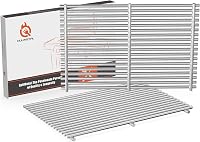
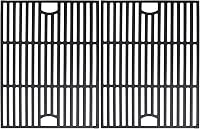
Material affects care and rust resistance. Compare stainless steel vs porcelain grill grates before choosing a replacement, and review cast iron vs stainless steel grill grates if you want to weigh upkeep against material choice.
How can you prevent rust from returning?
Dry the grate after cleaning and keep the grill covered or stored in a dry place. Moisture left on metal can help rust return, especially after rain or washing.
When cooking is done, follow the grill manual for cleanup and storage. Don't leave wet food residue on the grate, and don't use a cover on a hot grill.
For an indoor grill, check what the cooking surface is made of and which cleaning methods the maker allows. See ceramic indoor grill options when comparing coated surfaces.
Our guide to non toxic indoor grill materials and coatings explains how to compare cooking surfaces.
Which grill options suit a grate replacement or cleaning pause?
If your current grate is damaged, pause cooking on it until you've cleaned it or found a compatible replacement. These options suit different cooking setups:
- The Weber® Original Kettle Charcoal Grill has a durable-plated steel cooking grate and porcelain-enameled lid and bowl. Its One-Touch system includes an aluminized steel ash catcher.
- The Lodge Square Cast Iron Grill Pan gives you a ridged surface for stovetop, oven, grill, or campfire cooking.
- The Swissmar Stelvio Raclette Party Grill includes a granite grill plate for indoor or outdoor gatherings.
If you're choosing accessories for a Cuisinart indoor grill, see best Cuisinart Griddler accessories for options that fit that cooking setup.
What should you do before cooking again?
Cook only after the grate is clean, dry, intact, and securely seated. If rust flakes remain, the grate has deep pits or cracks, or its coating is peeling, replace it with a compatible part.
For a sound grate with light surface rust, clean gently and check it again before heating. For rust that has weakened the metal, stop using it and choose a replacement suited to your grill.
Frequently asked questions
Can you cook on rusty grill grates?
You can cook on grates with a small amount of surface rust after removing the rust and residue, then checking that the grate is sound. Don't cook on grates with deep pitting, loose flakes, cracks, or rust that returns quickly.
Replace a damaged grate with one designed for your grill.
Is rust on grill grates toxic?
Rust is iron oxide, and a small accidental amount is not generally considered poisonous. Still, don't eat visible rust or let flakes mix with food.
Clean the grate and inspect it before cooking; seek medical advice or contact poison control if someone eats a large amount or feels unwell.
How do you remove rust from grill grates?
Scrub loose rust with a grill-safe brush or nonmetallic scrub pad, then wash and dry the grate according to the grill maker's instructions. Avoid harsh cleaners or tools that can damage a coating.
For cast iron, apply a thin layer of cooking oil after drying and follow its care guidance.
When should you replace rusty grill grates?
Replace a grate if rust has caused deep pits, cracks, weak spots, or flakes that keep coming loose after cleaning. Also replace it if its coating is peeling or the grate no longer sits securely.
Match the replacement to the grill model and grate material.