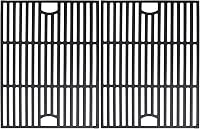
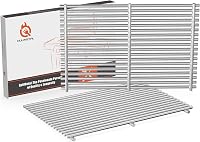
Cast Iron Grill vs Stainless Steel: Which Is Better? (November 2026)
Choose cast iron for strong heat retention and stainless steel for simpler routine care. The right grill plate depends on how you cook, clean and maintain it.
On this page (7 sections)
- Cast iron grill vs stainless steel: what is the main difference?
- Which material keeps a stronger, steadier sear?
- Is stainless steel or cast iron easier to clean?
- Which material suits your cooking routine?
- Does plate design matter more than material?
- Which cast iron grill plate should you choose?
- Cast iron grill vs stainless steel: how should you decide?
Choose cast iron for heat retention and stainless steel for easier routine care. In a cast iron grill vs stainless steel comparison, the best fit depends on how much searing you want and how much upkeep you're willing to do.
Cast iron can stay hot when food meets the surface, which helps support browning. Stainless steel doesn't need seasoning, so cleaning and storage are often simpler.
Material alone doesn't decide performance. Plate thickness, burner fit, ridges, and the grill's heating system also shape how food cooks.
 Best for a two-burner cooking surface
Lodge Reversible Cast Iron Grill/Griddle Pan

Cast iron grill vs stainless steel: what is the main difference?
Cast iron holds heat well and needs more surface care; stainless steel is simpler to maintain but may cool faster when food is added. Both can cook effectively when you preheat the plate and match it to your grill.
Cast iron is a heavy iron cooking surface. It often comes seasoned with oil, and that protective layer needs care to stay useful.
Stainless steel is a steel alloy used in many grill plates and grates. It does not rely on seasoning, though it can still develop discoloration or stuck-on food.
If you're comparing grate construction as well as material, see our guide to cast iron vs stainless steel grill grates. The open gaps in a grate change how grease and food interact with the surface.
Which material keeps a stronger, steadier sear?
Cast iron is often the better fit when you want a plate that holds heat through repeated cooking. Stainless steel can sear well too, but preheating and cooking in smaller batches matter.
A hot plate loses some heat when cold or wet food touches it. Cast iron's heat retention can help it recover and keep the surface hot, while a thinner plate may cool more quickly.
Don't crowd the cooking surface. Too much food at once can lower the temperature and release moisture, which makes browning harder with either material.
Cast iron is a natural match for steaks, burgers and vegetables when you want defined searing. The Lodge Square Cast Iron Grill Pan has raised lines designed to create grill marks and channel excess grease away.
For a larger surface that can switch between grilling and flat-top cooking, the Lodge Reversible Cast Iron Grill/Griddle Pan covers 2 burners and has a grill side plus a griddle side.
Is stainless steel or cast iron easier to clean?
Stainless steel usually asks for less ongoing care because it doesn't need seasoning. Cast iron can be straightforward to clean, but you should dry it promptly and protect its seasoned surface.
For cast iron, remove food residue after cooking and wash it by hand as directed by the maker. Dry the plate fully, since leftover moisture can lead to rust, then apply a thin layer of oil if its care instructions call for it.
The Knapp Made CM Scrubber 6" x 6" uses stainless steel rings and is designed for cleaning cast iron pans, grills and skillets. Its smaller rings can reach grooves and corners.
A stainless steel grill plate doesn't require seasoning, but burnt-on grease can still take time to remove. Use a cleaning tool and method suited to the surface, and avoid harsh abrasives if the manufacturer warns against them.
Which material suits your cooking routine?
Pick cast iron if you value heat retention and accept seasoning care; pick stainless steel if you want less routine upkeep. Think about what you'll cook most and how often you'll clean the plate.
Cast iron suits cooks who want a heavy, steady surface for steaks, burgers and vegetables. It can also work across different heat sources, depending on the plate and its instructions.
Stainless steel suits cooks who prefer a surface that doesn't need seasoning. It may fit a busy kitchen where quick cleanup matters more than holding heat through several batches.
If material safety is part of your decision, our guide to non-toxic indoor grill materials and coatings explains how to compare surfaces and finishes. A material name alone doesn't tell you everything about coatings or care.
Does plate design matter more than material?
Yes, plate shape and construction can matter as much as whether it's cast iron or stainless steel. Match the surface to your grill, the food you cook and the space you have.
A ridged surface creates grill marks and lets some fat flow away from food. A flat surface works better for items that might fall through a grate, such as sliced vegetables or smaller pieces.
Removable plates can go to the sink for cleaning, while fixed plates may be harder to reach. Our guide to removable versus fixed grill plates explains what to check before buying an indoor grill.
For stainless steel options, the best stainless steel indoor grills guide can help you compare complete appliances. If you are considering a different surface finish, our stainless steel vs porcelain grill grate guide covers another common material choice.
Which cast iron grill plate should you choose?
Choose a reversible cast iron plate for a broad two-burner surface, or a square grill pan for a compact cooking area. Both options make sense when cast iron's heat retention is worth the extra care.
The Lodge Reversible Cast Iron Grill/Griddle Pan has a grill side and a flat griddle side. Its 16.75 x 9.5 in shape covers 2 burners, so measure your cooktop and storage space before choosing it.
The Lodge Square Cast Iron Grill Pan is a more compact 10.5 in square option with raised grill lines. It works on stovetops, in ovens, on grills and over campfires, according to its listed uses.
If you want to explore a pan with a different cooking style, browse our guide to the best enameled cast iron grill pan. Enameled surfaces have different care needs from traditional seasoned cast iron.
A lid can help control splatter and cover food during cooking. Our best grill pan with lid guide compares that design choice.
Cast iron grill vs stainless steel: how should you decide?
Choose cast iron for stronger heat retention and a familiar sear, or stainless steel for simpler care without seasoning. Let your cooking habits and cleanup routine make the final call.
Pick cast iron if you cook in batches, want pronounced grill marks, or need a plate that can move across compatible heat sources. Be ready to dry it carefully and maintain its seasoning.
Pick stainless steel if you want a grill plate that needs less surface upkeep. Compare the plate's thickness, shape and fit with your grill, since those details affect cooking as much as the material.
For a cast iron grill vs stainless steel grill decision, choose the material whose care routine you'll follow. A well-matched plate is easier to use when its size, ridges and cleaning needs fit your kitchen.
Frequently asked questions
Does cast iron or stainless steel hold heat better?
Cast iron generally holds heat longer than stainless steel, which can help a grill plate stay hot when you add food. Actual results depend on the plate's thickness, size, burner and preheating.
Give either material enough time to heat evenly before cooking.
Is stainless steel easier to maintain than cast iron?
Stainless steel is usually easier to maintain because it doesn't need seasoning to protect a cooking surface. Cast iron needs prompt drying and periodic seasoning, especially if its surface looks dull or food starts sticking.
Follow the care instructions for the exact grill plate.
Which grill plate gives better searing?
Cast iron's heat retention can help it sear food after ingredients touch the surface. Stainless steel can also sear well when properly preheated.
Plate design, heat level, food moisture and how much you cook at once all affect browning.
Can I put a cast iron grill plate in the dishwasher?
Don't put cast iron in the dishwasher unless its maker specifically allows it. Wash it by hand, dry it fully and follow the care guidance for its seasoning.
A stainless steel plate may be more dishwasher-friendly, but check its instructions and handle materials first.
Are grill grates and grill plates the same thing?
They can refer to similar cooking surfaces, but a grate often has open spaces between bars while a plate has a more continuous surface. Check the shape and design before comparing materials.
Our guide to cast iron vs stainless steel grill grates focuses on grate construction.