How Long Do Indoor Grills Last?
Many indoor electric grills last about 5 to 10 years, though use, cleaning, storage, and part quality can shorten or extend that span. Replace one when damage affects safe operation or repairs cost more than a suitable new grill.
On this page (7 sections)
Many indoor electric grills last about 5 to 10 years, though frequent use, rough cleaning, poor storage, and part quality can change that. A damaged cord, unreliable heat, cracked housing, or repair cost close to a replacement can make it time to move on.
A grill's age is only one clue. Look at how it heats, whether its cooking surface is intact, and whether replacement parts are still available.
How long do indoor grills last?
A typical indoor electric grill may last about 5 to 10 years. Treat that as a general range, not a guarantee for every design or household.
A grill used once a week and cleaned gently may have a different lifespan from one used daily, scraped with metal tools, or stored where its cord gets bent. A small pan-style grill also has fewer electrical parts than a countertop appliance with a thermostat and removable plates.
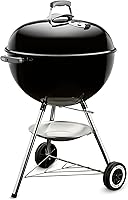
If you mean an outdoor charcoal grill, its materials and exposure to weather matter more than indoor use patterns. The Weber® Original Kettle Charcoal Grill has a porcelain-enameled lid and bowl, a plated steel cooking grate, and a 10 year limited warranty, but it is designed for outdoor use.
For electric models, How Do Indoor Electric Grills Work? explains the heating parts that can affect upkeep and repairs.
What affects how long a grill should last?
Use, cleaning, storage, materials, and replacement-part access all affect grill lifespan. A simple care routine can limit avoidable wear, but it can't prevent every failure.
Wipe grease and food residue away after the appliance cools, following its manual. Avoid abrasive tools or cleaners unless the manufacturer allows them, since they may damage a coating or cooking surface.
Store the grill dry, with its cord loosely arranged. Repeatedly pulling the cord tight, closing a lid on it, or putting heavy items on top can strain the cord and housing.
Materials affect wear in different ways. For grill plate materials, see cast iron vs stainless steel.
A cast-iron pan has no electrical heating element or cord, but it needs appropriate cleaning and drying; an electric grill adds components that may need repair or replacement.
Does a cheap grill have a shorter lifespan?
A cheap grill can wear out sooner under heavy use, but price alone doesn't tell you how long it will last. Check the warranty, construction, and availability of parts before treating a low price as a poor durability sign.
Look for a cooking plate that sits securely, a housing that doesn't flex, and controls that respond consistently. If the maker sells replacement plates or other parts, a worn component may not require replacing the whole appliance.
For care and coating choices, read how to choose indoor grill materials and coatings. The material and the care instructions matter more than a broad label such as “durable.”
What are the signs an indoor grill is wearing out?
Replace or repair a grill when wear affects safe operation, heat control, or the cooking surface. Cosmetic marks alone don't always mean the appliance has reached the end of its useful life.
Stop using an electric grill if its cord is frayed, its plug is loose or discolored, or its housing is cracked near electrical parts. Also stop if you notice sparking, a burning smell unrelated to normal cooking, or heat that cuts in and out.
A peeling or deeply damaged cooking surface can make cleaning harder and signal that the plate needs attention. Check the manual and ask the manufacturer whether a replacement part is available.
A grill that takes much longer to heat, fails to maintain its setting, or cooks unevenly may have a failing control or heating element. If cleaning and the manual's troubleshooting steps don't solve the problem, compare repair cost with replacement cost.
Can a grill still be used if its coating is scratched?
A shallow mark may be cosmetic, but a peeling or flaking coating calls for caution. Check the grill's manual and contact the maker if the cooking surface is separating or exposing the base material.
Don't scrape a coated plate with metal utensils to test the damage. If the plate is removable, check whether the brand offers a replacement; if it isn't, replacement of the whole appliance may make more sense.
A ceramic cooking surface is one option to compare if you want a different coating. See our guide to the best ceramic indoor grill.
Can you extend an indoor grill's lifespan?
Follow the care instructions, clean the grill after it cools, and protect the cord and cooking surface. These habits can reduce avoidable wear without promising a specific number of extra years.
Unplug the appliance before cleaning, and keep water away from parts the manual says must stay dry. Remove plates only if the grill is designed for that, and let each part dry fully before putting it away.
Use utensils suited to the surface. For a cast-iron grate or pan, compare the upkeep differences in cast iron vs stainless steel grill grates.
Grease and smoke control can also shape how often you need to deep-clean an indoor grill. Our guide to what “smokeless” means on an indoor grill explains what that label does and doesn't indicate.
Are replacement parts worth buying?
A replacement part is worth considering when it restores a safe grill at a reasonable cost. Compare the part price and availability with the cost of a new appliance, then check whether the repair follows the manufacturer's instructions.
A replaceable plate, drip tray, or other removable part may be simpler to change than a damaged cord or internal electrical component. Don't try an improvised electrical repair; use the maker's service guidance.
Owners of compatible Hamilton Beach models can start with Hamilton Beach indoor grill replacement parts. Check the model number before ordering, since parts may not fit every grill.
Which grill styles have fewer parts to wear out?
A grill pan has fewer electrical parts than an electric countertop grill, while an electric model offers built-in heating and controls. If you want an indoor model with a lid, compare indoor grills with covers.
Choose based on how you cook and what kind of maintenance you'll accept.
The Lodge Square Cast Iron Grill Pan is a stovetop, oven, grill, and campfire compatible pan made from cast iron. Its raised grill lines create marks and channel excess grease, and it has a lifetime limited manufacturer's warranty.
Cast iron needs different care from an electric grill, including hand washing and drying. It suits cooks who want a durable pan and are comfortable maintaining the surface.
The Swissmar Stelvio Raclette Party Grill with Granite has temperature control and a 1 year limited warranty. Its granite grill plate and raclette dishes give it a different use from a compact contact grill.
When does replacing a grill make more sense?
Replace a grill when it is unsafe, unreliable, or costly to repair. Keep using it when the wear is cosmetic, the appliance heats as intended, and its parts remain in good condition.
A low-cost replacement part may be sensible for a grill you otherwise like. For a worn-out appliance with unavailable parts, repeated heating problems, or electrical damage, replacing it is usually the clearer choice.
If durability is your main priority, compare options in our best long lasting indoor grills guide. For a metal finish preference, see best stainless steel indoor grills.
The useful rule is simple: repair a safe grill when a part fixes the problem at modest cost; replace one with electrical damage, repeated faults, or unavailable parts. Keep the manual and model number so you can check care steps and part fit before deciding.
Frequently asked questions
How long do indoor electric grills usually last?
Many indoor electric grills last about 5 to 10 years, but lifespan varies with use, cleaning, storage, and build quality. Keep the manual and warranty details, clean the grill as directed, and stop using it if the cord, plug, housing, or heating controls show damage.
How long should a grill last if you use it often?
Frequent use can wear a grill sooner, especially if grease and food residue build up or removable parts are handled roughly. Clean it after each use as directed, let it cool before storage, and check the cord, plate, hinges, and controls regularly.
How long does a cheap grill last?
A lower-cost grill may last only a few years with frequent use, but price alone does not predict its lifespan. Check whether the maker offers replacement parts and a clear warranty, and compare the cost of a likely repair with replacing the whole grill.
When should you replace an indoor grill?
Replace an indoor grill if its cord or plug is damaged, the housing is cracked near electrical parts, the heating becomes unreliable, or a repair costs close to a suitable replacement. For a worn cooking surface, first check whether the plate can be replaced and whether the grill remains safe to use.